
We analyzed this claim: is it true that
Elliptic expanded screening of Binance-linked wallets while North Korean hackers continued moving stolen cryptocurrency despite FBI intervention?
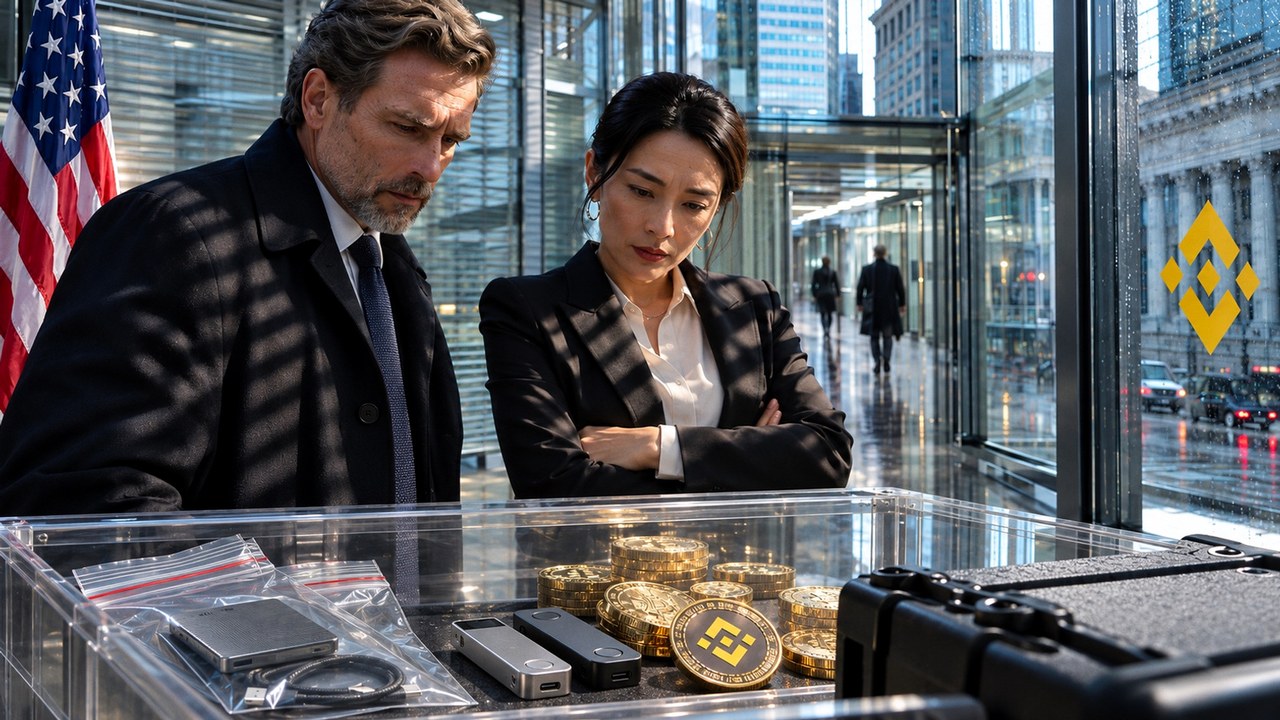
Elliptic's investigations confirm thousands of flagged addresses and ongoing laundering, while the U.S. Justice Department has secured court authority over more than $1.2 billion.
 ClaraAuthorComing December 1
 RafaVisual artistComing December 1
 JolinaMarketingComing December 1
U.S. Seizes Binance Loot as Laundering Outruns Watchlists
American authorities have frozen billions in stolen digital coins while hackers keep moving the rest.
In a nutshell
After hackers stole billions of dollars in digital currency from Binance, law enforcement and blockchain investigators rushed to trace the funds across global networks. While American authorities have obtained court orders to restrain and seize a portion of the stolen assets, hackers continue moving and converting the remaining funds through decentralized protocols and privacy-enhancing services.
Highlights
- Hackers stole approximately $6.3 billion in digital assets from Binance on October 29, 2026.
- The U.S. Justice Department obtained court authorization over more than $1.2 billion in stolen assets.
- Blockchain analytics firm Elliptic expanded its screening coverage to more than 24,000 theft-linked addresses.
- Investigators estimate that only a negligible amount of the stolen cryptocurrency has actually been cashed out.
From the Editor’s Diary
Recovering stolen digital assets requires a race between legal freezing orders and decentralized laundering networks.
Who's involved
TraderTraitor
North Korean cybercrime operation officially identified by the FBI as responsible for the Binance theft
goal → Move stolen cryptocurrency through wallets, exchanges and mixing services while avoiding interception
Elliptic
United Kingdom-based blockchain intelligence company tracing cryptocurrency thefts and providing transaction-screening tools
goal → Expand detection coverage, help customers identify stolen funds and prevent their conversion into spendable money
U.S. Department of Justice and FBI
American law-enforcement institutions investigating the theft and pursuing stolen assets
goal → Identify perpetrators, disrupt laundering, obtain legal control of assets and pursue forfeiture
Binance
International cryptocurrency exchange whose hot wallets were compromised in the multibillion-dollar theft
goal → Replace affected customer assets, restore withdrawals, strengthen signing security and regain confidence
THORChain
Decentralized protocol allowing cryptocurrency to be exchanged across different blockchains without a conventional centralized exchange
goal → Maintain functioning cross-chain services while responding to security restrictions and suspicious flows
In short
American authorities have secured legal control over more than $1.2 billion of the digital money stolen from Binance in October. That recovery makes it more likely that some victims will eventually see funds returned, though the hackers continue moving the rest across global networks. It is uncertain how much will ultimately be recovered, as investigators race against a fragmented and active laundering operation. Following the historic October 29 theft of approximately $6.3 billion from the world's largest digital-asset exchange, the U.S. Federal Bureau of Investigation attributed the crime to North Korea's TraderTraitor operation. Investigators are now tracking thousands of addresses used to move the funds, while American authorities expand their legal hold on the assets.
Previously in this story
Binance Rebuilds Wallets, Without Outside Proof They Are Safe
15 November 2026Binance has replaced the $6.3 billion stolen from its platform, but no outside auditor has verified that its rebuilt systems can block another unauthorized transfer.
Binance Broadens Withdrawals but Total Access Lags
14 November 2026The crypto giant has unlocked more customer tokens and updated reserve records, but full withdrawals remain unconfirmed.
Binance Restores Funds as North Korea Denies Hack
14 November 2026The recovery from history's largest crypto heist is dividing into customer repairs, diplomatic denials and active laundering.
Binance Restores Operations but Withdrawals Remain Limited
13 November 2026A staged reopening leaves some customer funds locked after a record theft.
Binance Explains Break-In as U.S. Freezes Assets
12 November 2026Federal agents locked down billions while the exchange pieced together how thieves bypassed its security.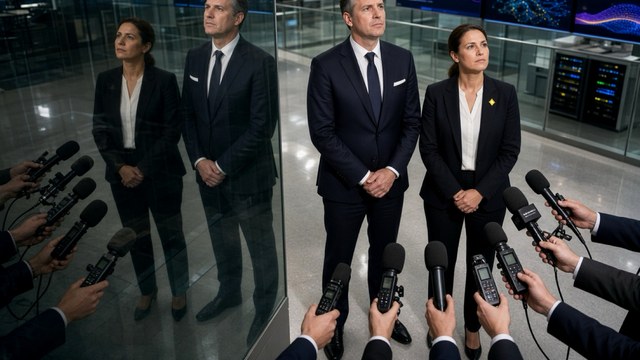
How Binance Hackers Kept Stealing After Shutdown
12 November 2026Flawed authorization allowed attackers to drain digital wallets after transfers were stopped.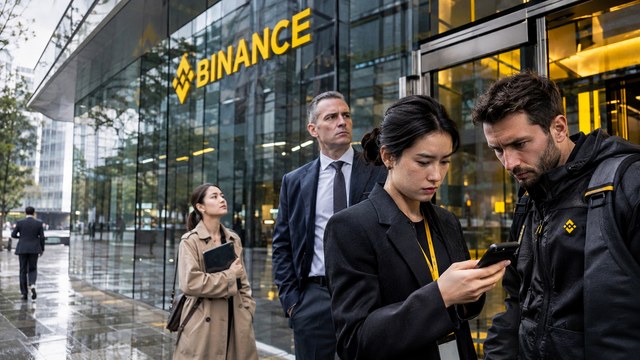
Binance Restores Cash While Security Doubts Linger
10 November 2026Cash withdrawals are flowing again, but independent reviews have yet to prove the exchange is safe from another attack.
Binance Restores Withdrawals as North Korea Denies Heist
10 November 2026Binance is reopening customer withdrawals after replacing most stolen funds, while North Korea disputes US claims that it took $6.3 billion.
Exchanges Bolster Defenses as Binance Resumes Payouts
7 November 2026Major cryptocurrency platforms review approval systems while Binance lets customers withdraw funds again.
How it unfolded
Unauthorized wallet transfers expose a historic cryptocurrency theft
At approximately 20:05 UTC on October 29, unauthorized transfers began leaving Binance hot wallets across multiple blockchains. Binance subsequently documented approximately $6.34 billion in affected assets; Elliptic calculated $6.43 billion using its own valuation and chain coverage. Binance's initial public alerts and independent blockchain investigators established the theft, followed by reporting from major news organizations and the FBI's attribution to North Korea's TraderTraitor operation. The original technical investigation and the law-enforcement attribution preceded the later battle to track, freeze and recover the proceeds.
Court Restraints Expand While Stolen Funds Continue Moving
The initial FBI warning identified suspected laundering addresses and asked cryptocurrency services to block their transactions. By mid-November, this response had developed into a contest between expanding financial surveillance, court-backed restrictions and an increasingly fragmented laundering operation. On November 12, the Justice Department announced judicial authorization covering more than $1.2 billion, a subset of previously frozen assets rather than additional recovered money. Binance separately announced completion of replacement coverage for affected assets. Yet the attackers continued converting cryptocurrency across chains and placing Bitcoin into transactions designed to obscure its ownership history. By November 16, Elliptic's updated analysis showed substantially greater screening coverage but no general halt to laundering. The surviving bulk holdings remained visible, while their eventual disposition was unresolved.
Where things stand
As of November 18, 2026, American authorities have secured court control over parts of the stolen assets, while blockchain investigators have expanded their ability to track suspect wallets. This does not mean all laundering has stopped or that funds have been returned to victims. The Justice Department has not detailed the exact seizure breakdown or docket numbers, and independent analysis shows minor gaps between different screening lists. Binance reports replacing affected user assets, but external security reviews of its signing infrastructure remain unpublished. The investigation now looks toward formal forfeiture proceedings and any movement from the major dormant wallets.