
We analyzed this claim: is it true that
Binance resumed withdrawals, replaced 95% of the assets lost in the $6.3 billion cyberheist, and published proof of its reserves while North Korea denied responsibility?
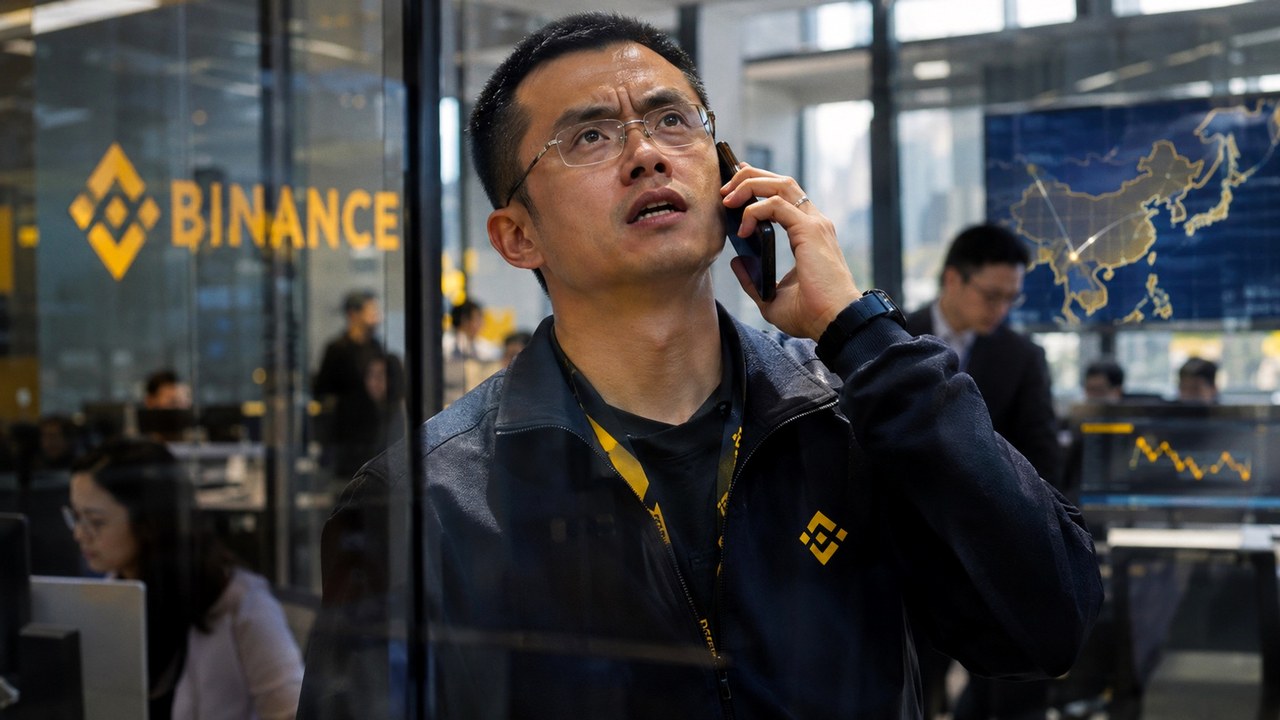
Binance reopened withdrawals in stages and published reserve data for ten tokens, but the company has not explained how the breach happened, while North Korea denied the theft
 ClaraAuthorComing December 1
 RafaVisual artistComing December 1
 JolinaMarketingComing December 1
Binance Restores Withdrawals as North Korea Denies Heist
Binance is reopening customer withdrawals after replacing most stolen funds, while North Korea disputes US claims that it took $6.3 billion.
In a nutshell
Hackers took roughly $6.3 billion from Binance on October 29, 2026, marking the largest cryptocurrency theft to date. The exchange prevented a fatal panic by replacing 95% of the losses with company funds, verifying reserve holdings for ten top currencies, and gradually reopening customer withdrawals. The FBI blamed North Korean state cyber operatives, an accusation North Korea rejected. With about $2.85 billion frozen and $3.18 billion still under hacker control, the money hunt continues while Binance has yet to clarify how its digital defenses were breached.
Highlights
- Hackers stole about $6.3 billion from Binance's online wallets on October 29, 2026.
- Binance reported replacing 95% of the affected funds using its own balance sheet.
- Customers withdrew a net $4.72 billion after withdrawals reopened, representing roughly 3% of the platform's assets.
- Authorities froze or seized approximately $2.85 billion, leaving roughly $3.18 billion in hacker-linked addresses.
- North Korean leadership explicitly denied the FBI's finding that state-linked hackers conducted the theft.
Status of Stolen Binance Funds
billion USD- A comparison of stolen funds that authorities have blocked against the money still controlled by the thieves.
- Frozen or seized — Digital currency that investigators and platform operators have blocked from moving
- In theft-linked addresses — Stolen crypto still sitting in digital wallets controlled by the attackers
- It shows that while authorities have halted substantial sums, more than half of the haul remains under hacker control.
From the Editor’s Diary
A crypto exchange can survive a record-setting heist if it has enough capital to replace customer balances, but true security depends on discovering how the theft succeeded in the first place.
Who's involved
Binance
The world's largest cryptocurrency exchange, an online marketplace where people trade digital money
goal → Reopen customer accounts, replace missing deposits, and prove its financial stability
TraderTraitor
A cyber group that US federal investigators say operates on behalf of the North Korean government
goal → Keep control of the stolen cryptocurrency and swap it into usable cash without being caught
Federal Bureau of Investigation
The primary federal law-enforcement agency of the United States
goal → Trace the stolen funds, block laundering routes, and seize assets tied to the breach
North Korea and Kim Yo Jong
The government of North Korea and the sister of leader Kim Jong Un
goal → Deny responsibility for the attack and challenge US accusations
Elliptic
A private firm that tracks cryptocurrency transactions to spot financial crime
goal → Follow where the stolen money travels and help exchanges block illicit deposits
Binance customers
Ordinary depositors and trading firms that keep digital assets on Binance
goal → Withdraw their funds safely and avoid absorbing losses from the hack
In short
The world's largest digital currency exchange is giving customers their money back after the biggest cyberheist in history. That matters because it tests whether a modern crypto giant can survive a multibillion-dollar loss without collapsing the broader market.
The most likely next step is a prolonged international struggle to freeze the stolen funds while Binance works to prove it holds enough money to cover remaining customer balances.
Whether investigators recover the money remains highly uncertain, because digital currencies move rapidly across borders and North Korea denies any role in the theft.
Previously in this story

Exchanges Bolster Defenses as Binance Resumes Payouts
7 November 2026Major cryptocurrency platforms review approval systems while Binance lets customers withdraw funds again.
How it unfolded
Billions Vanish from Online Accounts
On the evening of October 29, automated software began draining digital tokens from Binance's hot wallets—online storage accounts used to process routine customer transfers. The attack moved money across ten separate blockchain networks, the shared ledgers that track crypto transactions. TRM Labs, a tracking firm, calculated the total loss at roughly $6.36 billion. Binance acknowledged the security incident shortly after monitoring services sounded the alarm, while independent analysts traced the methods back to North Korean hackers.
Customers Withdraw Cash While Hackers Move Funds
The practical test began when Binance turned withdrawals back on. Bitcoin payouts resumed on November 1, followed two days later by other popular tokens. Binance announced it had replaced 95% of the lost value from its own balance sheet, but cautious depositors still pulled out billions. By November 2, net customer withdrawals reached $4.72 billion—around 3% of all assets stored on the exchange. To calm the market, Binance posted mathematical proof of its reserves for ten major tokens, letting customers verify the exchange held their deposits. Co-chief executive Richard Teng said outflow numbers were settling down.
Meanwhile, tracking firm Elliptic revealed that the thieves were actively laundering the haul through more than 12,000 digital accounts. Global authorities had frozen or seized approximately $2.85 billion, but roughly $3.18 billion remained in wallets controlled by the thieves. Politics soon followed the money. After President Donald Trump raised questions about the culprits, Kim Yo Jong publicly denied that North Korea carried out the theft. Even as operations restarted, the core mystery persisted: Binance still had not explained how intruders obtained valid authorization signatures to drain its wallets.
Where things stand
Binance has largely contained immediate panic by reopening withdrawals and covering most missing funds itself. Bitcoin payments are operating, a second wave of tokens is live, and reserve data covers ten major currencies. Company executives insist the platform has absorbed the blow, though less-liquid tokens remain restricted and an independent full-scale financial audit is still pending.
The criminal hunt remains unresolved. The FBI maintains North Korean operators took the money, despite denials from Pyongyang. Law enforcement and industry allies have frozen roughly $2.85 billion, but another $3.18 billion is still moving through thousands of automated accounts. The most significant technical question also remains open: Binance has not yet revealed how the attackers bypassed internal protections to approve transactions.