
We analyzed this claim: is it true that
Binance has fully restored customer withdrawals and protected all user funds following a 6.3 billion dollar cybertheft?
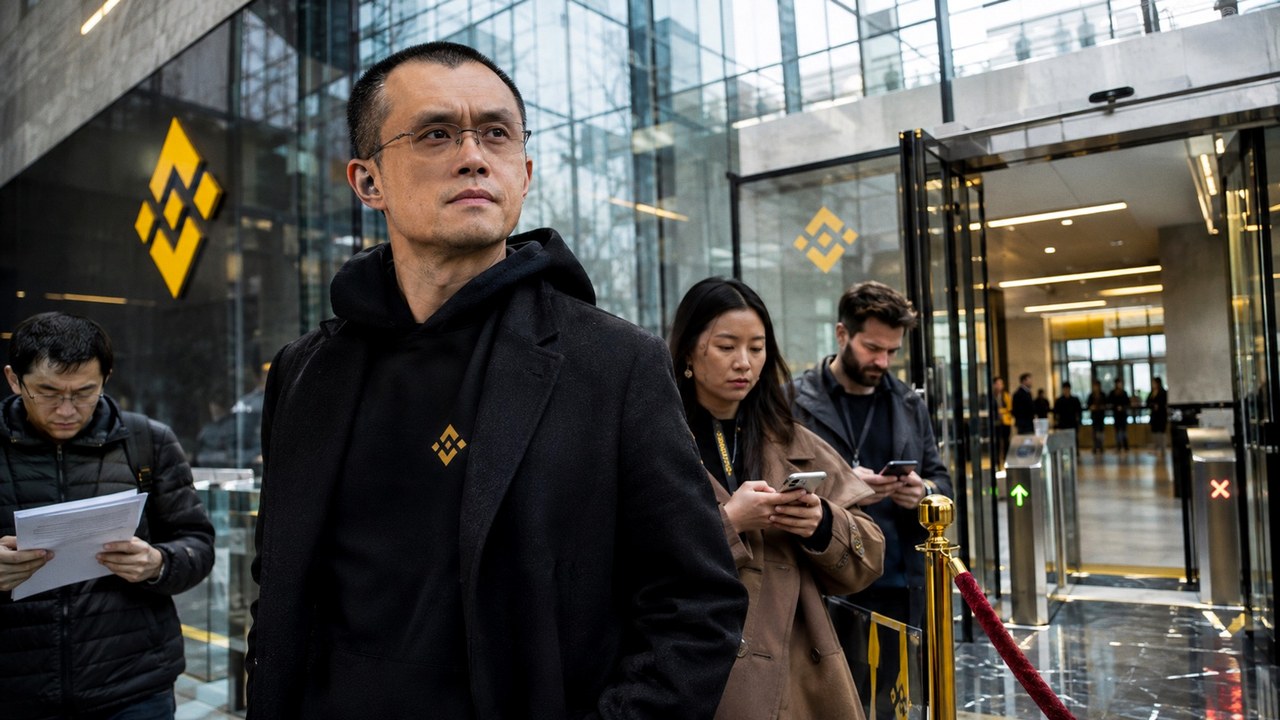
While Binance co-founder Changpeng Zhao stated that operations had normalized and customers suffered no losses, company records show withdrawals are reopening gradually asset by asset, some regional restrictions persist, and promised security overhauls remain unverified by independent auditors.
 ClaraAuthorComing December 1
 RafaVisual artistComing December 1
 JolinaMarketingComing December 1
Binance Restores Operations but Withdrawals Remain Limited
A staged reopening leaves some customer funds locked after a record theft.
In a nutshell
After intruders stole roughly 6.34 billion dollars from Binance on October 29, 2026, the world’s largest crypto exchange halted withdrawals and promised to absorb all customer losses. Co-founder Changpeng Zhao declared the crisis resolved on November 3, but the actual recovery has moved at a measured pace: the company has replaced 98 percent of the missing assets, many smaller tokens remain locked in regional markets like Japan, and third-party auditors have not yet verified the platform’s rebuilt security defenses.
Highlights
- Attackers stole approximately 6.34 billion dollars from Binance on October 29, 2026, by compromising internal transfer systems.
- Binance co-founder Changpeng Zhao told Yahoo Finance on November 3 that withdrawals were back and customers suffered no losses.
- Binance replaced 98 percent of the missing funds by November 4, leaving 2 percent in harder-to-buy tokens still pending.
- Public reserve disclosures expanded from 10 tokens on November 2 to 44 tokens on November 4.
- Binance Japan continued to restrict customer withdrawals on numerous digital assets as late as November 9.
Replacement of Stolen Binance Customer Assets
percentThe findingBinance has covered nearly all lost funds, but a two percent shortfall of less-liquid assets remains unresolved.
- The share of stolen customer deposits Binance has replaced compared with the balance still outstanding.
- Replenished assets — Digital tokens Binance has purchased out of pocket to restore customer balances
- Pending replenishment — Less-liquid cryptocurrencies Binance is still trying to acquire on the open market
- Complete financial restoration depends on whether Binance can safely source and return the final two percent of missing tokens.
From the Editor’s Diary
A company can replace lost money faster than it can rebuild compromised digital architecture. Until outside investigators confirm that internal approvals cannot be hijacked again, financial reimbursement only solves half the problem.
Who's involved
Binance
The world's largest online exchange where people trade digital currencies, whose core approval systems were breached
goal → Reopen customer withdrawals, replace stolen money, and convince the public its systems are secure
Changpeng Zhao (CZ)
Co-founder and major owner of Binance who remains the most recognized voice representing the company
goal → Reassure depositors that their funds are safe and defend the exchange's financial health
Richard Teng
Co-chief executive running daily operations alongside co-CEO Yi He during the recovery
goal → Steer the technical repair, stabilize customer deposits, and show the business can cover its debts
Binance Japan
The licensed Japanese branch of the global exchange operating under local financial rules
goal → Safely restart customer access while complying with Japanese investor protection laws
Binance customers
Everyday depositors and trading firms who keep digital currencies stored on the exchange
goal → Get their money out safely without suffering financial losses or technical delays
Cryptocurrency attackers
The unknown hackers who penetrated Binance's internal systems to steal digital tokens
goal → Keep hold of the stolen billions and avoid asset freezes by global authorities
In short
The world's largest marketplace for digital money, Binance, is trying to prove it can protect customer deposits after thieves took roughly 6.34 billion dollars from its digital vaults. This matters because millions of everyday savers rely on the exchange like a bank, and its ability to pay them back determines whether trust in the wider cryptocurrency market holds.
A complete return to normal withdrawals is likely across most major assets, though small or less actively traded tokens will take longer.
That outcome is likely because Binance has already replaced nearly all the missing funds, but the process remains unfinished until independent auditors verify the platform's internal defenses.
Previously in this story
Binance Explains Break-In as U.S. Freezes Assets
12 November 2026Federal agents locked down billions while the exchange pieced together how thieves bypassed its security.
How Binance Hackers Kept Stealing After Shutdown
12 November 2026Flawed authorization allowed attackers to drain digital wallets after transfers were stopped.
Binance Restores Cash While Security Doubts Linger
10 November 2026Cash withdrawals are flowing again, but independent reviews have yet to prove the exchange is safe from another attack.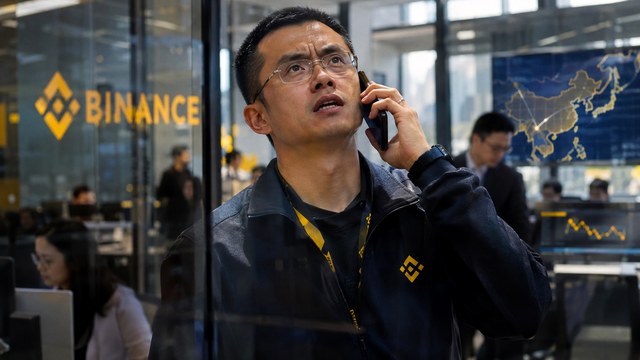
Binance Restores Withdrawals as North Korea Denies Heist
10 November 2026Binance is reopening customer withdrawals after replacing most stolen funds, while North Korea disputes US claims that it took $6.3 billion.
Exchanges Bolster Defenses as Binance Resumes Payouts
7 November 2026Major cryptocurrency platforms review approval systems while Binance lets customers withdraw funds again.
How it unfolded
Digital Thieves Breach Internal Defenses to Drain Billions
On the evening of October 29, 2026, automated monitors spotted billions of dollars flowing out of Binance accounts without permission. The exchange quickly froze all customer payouts to contain the damage, later revealing that attackers had reached an internal service used to authorize account transfers. Independent researchers and news outlets watched the stolen total climb toward 6.3 billion dollars, making it the largest digital heist ever recorded.
Public Reassurances Meet the Slow Reality of Repairs
Binance began opening its doors again in careful stages, publishing mathematical proofs on November 2 to show it held enough assets to back customer balances in ten major tokens. The next morning, co-founder Changpeng Zhao delivered a sweeping message on television, telling viewers that the platform was working normally, withdrawals were back, and depositors were fully protected. Yet behind the scenes, technicians were still restoring coins one by one, and an official report revealed that hackers had compromised employee laptops and misused internal artificial intelligence tools to sign bogus payouts.
The company made steady headway over the following days, announcing it had bought back 98 percent of the missing funds while reopening withdrawals for more digital assets. But full access remained incomplete. By November 9, Binance’s Japanese unit was still warning customers that dozens of smaller tokens could not be withdrawn. While the company has avoided financial collapse, outside experts have yet to verify that the software flaw behind the original break-in has been permanently fixed.
Where things stand
As of November 10, 2026, Binance has stabilized its business but has not finished the recovery. Customer money is moving in and out at normal levels for top digital currencies, and the exchange has replaced 98 percent of the missing deposits.
Two major tasks remain unfinished. Binance still needs to buy back the final 2 percent of rarer tokens so every user can withdraw every coin. More importantly, it must complete and publish an independent security review to prove that its repaired approval software can successfully stop another inside intrusion.