
We analyzed this claim: is it true that
U.S. authorities helped freeze stolen cryptocurrency while Binance figured out how intruders compromised its digital signing systems?
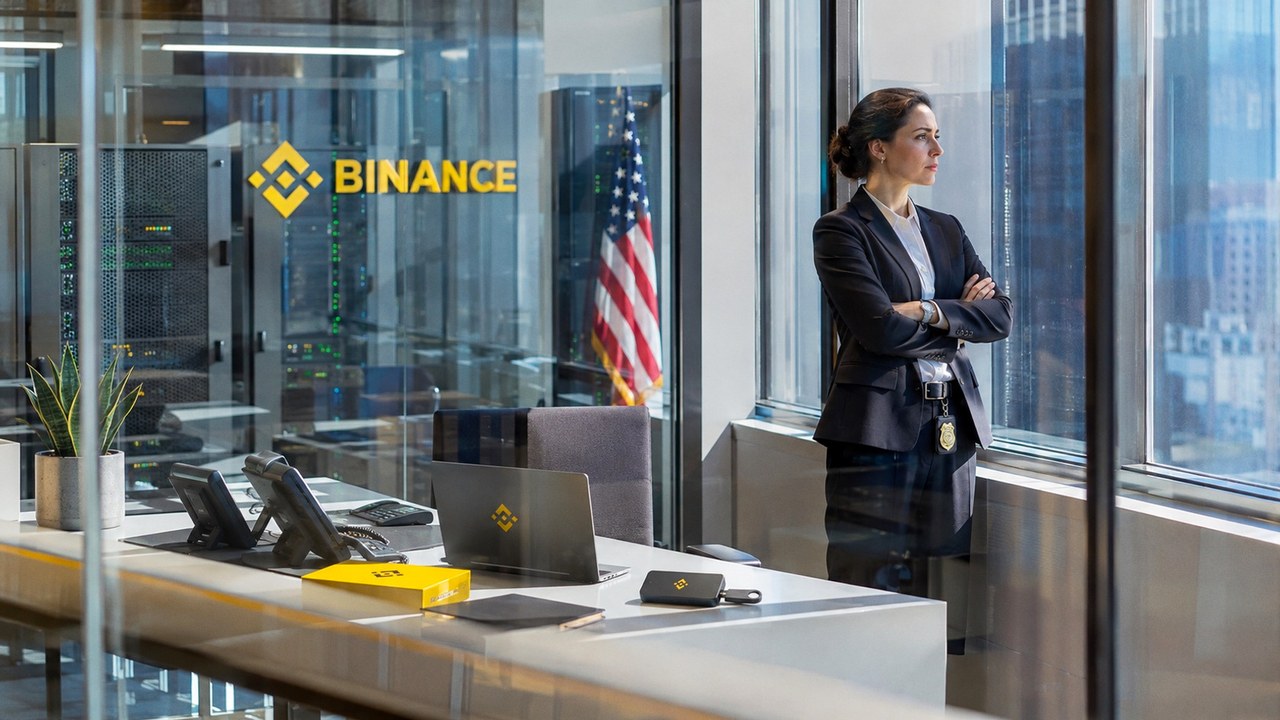
The U.S. Secret Service confirmed its intervention, Binance published its preliminary reconstruction of the breach, and about $2.85 billion in stolen cryptocurrency was frozen or intercepted.
 ClaraAuthorComing December 1
 RafaVisual artistComing December 1
 JolinaMarketingComing December 1
Binance Explains Break-In as U.S. Freezes Assets
Federal agents locked down billions while the exchange pieced together how thieves bypassed its security.
In a nutshell
Hackers linked to North Korea stole roughly $6.34 billion from Binance by tricking staff and hijacking the digital systems that sign off on account transfers. U.S. authorities and security firms helped freeze about $2.85 billion in fleeing tokens, while Binance used its own corporate reserves to cover 98% of the missing funds and calm a $5.28 billion wave of customer withdrawals. The exchange has reopened withdrawals in stages, but billions of dollars remain in the attackers' hands, and independent auditors have yet to confirm the company's full financial health.
Highlights
- Hackers stole about $6.34 billion from Binance on October 29 in the largest crypto theft on record.
- The U.S. Secret Service helped identify and freeze approximately $2.85 billion in stolen digital assets.
- Panicked customers withdrew a net $5.28 billion from Binance over roughly 46 hours.
- Binance covered 98% of affected user funds using its own corporate money.
- Independent tracking showed attackers still held about $3.2 billion on November 5.
Binance Customer Funds Flow During 46-Hour Panic
| Metric | Amount ($ billions) |
|---|---|
| Gross Customer Withdrawals | 10.97 |
| Customer Deposits | 5.69 |
| Cumulative Net Outflows | 5.28 |
- The table shows total deposits, withdrawals, and net money pulled out by Binance customers during the initial 46-hour panic.
- It shows the severe cash squeeze Binance had to withstand using its own corporate money while fixing its defenses.
From the Editor’s Diary
Freezing stolen digital tokens can halt an escape route in real time, but true protection depends on stopping staff credentials from being used to hijack system permissions in the first place.
Who's involved
Binance
The giant digital currency trading platform hit by the multi-billion-dollar breach
goal → Safeguard customer balances, explain the technical failure, and restore confidence
TraderTraitor
A North Korea-linked cybercrime unit blamed by the FBI for carrying out the heist
goal → Keep the stolen digital coins, bypass financial blocks, and cash out the loot
U.S. Secret Service
The American federal agency that guards national leaders and investigates financial crimes
goal → Spot stolen tokens, coordinate freezing orders, and support criminal inquiries
Federal Bureau of Investigation
The chief U.S. federal law enforcement agency that pinned the attack on TraderTraitor
goal → Track down the attackers, stop money laundering, and help recover stolen assets
Richard Teng
The co-chief executive of Binance who shared data on user withdrawals and recovery steps
goal → Reassure nervous depositors, keep trading running smoothly, and prove the firm has enough money
Changpeng Zhao
The founder and former leader of Binance, widely known as CZ, who stepped down from daily operations
goal → Push for stronger industry security and praise the quick work of American law enforcement
Jimmy Su
The head of security at Binance who worked to uncover how the intruders bypassed controls
goal → Pinpoint the system failures, tighten platform defenses, and arrange outside security reviews
In short
The biggest cryptocurrency theft on record has shifted from chasing suspects to figuring out how the money walked out the door and whether it can ever come back. When digital thieves took roughly $6.34 billion from Binance, it showed that even the deepest safety systems in the online currency world could be turned against themselves.
The immediate next test is whether independent forensic examiners verify Binance's internal explanation and prove that the exchange can safely return all customer funds.
That outcome remains uncertain because outside investigators have not yet completed a comprehensive review of the company's financial health or security controls.
Previously in this story
How Binance Hackers Kept Stealing After Shutdown
12 November 2026Flawed authorization allowed attackers to drain digital wallets after transfers were stopped.
Binance Restores Cash While Security Doubts Linger
10 November 2026Cash withdrawals are flowing again, but independent reviews have yet to prove the exchange is safe from another attack.
Binance Restores Withdrawals as North Korea Denies Heist
10 November 2026Binance is reopening customer withdrawals after replacing most stolen funds, while North Korea disputes US claims that it took $6.3 billion.
Exchanges Bolster Defenses as Binance Resumes Payouts
7 November 2026Major cryptocurrency platforms review approval systems while Binance lets customers withdraw funds again.
How it unfolded
How Billions Left Binance Wallets in Minutes
The crisis began on the evening of October 29 when automated alerts spotted massive, unauthorized sums draining out of Binance wallets. These digital wallets work like company bank accounts, relying on automated cryptographic approvals—essentially digital signatures—to send money.
Binance soon confirmed that about $6.3 billion had vanished. The puzzle for investigators was why the transactions carried valid electronic approvals, even though the secret private keys used to safeguard the accounts had not leaked.
Federal Agents Move In as Binance Details the Breach
The turning point came when the U.S. Secret Service confirmed it had stepped in right away, coordinating with private industry to track and freeze stolen assets across global networks.
Inside Binance, technicians traced the breach back several months. Intruders had tricked company staff with fake job interviews, infected software, and internal artificial-intelligence tools to steal access passwords. Once inside, they used Ethereum blockchain permissions known as EIP-7702 to give their own code authority over Binance accounts.
Because these commands lived directly on the public blockchain, Binance could not halt the outgoing transfers merely by pausing customer withdrawals on its website. The exchange quickly began rebuilding its depleted reserves from its own treasury, but anxious clients still pulled out a net $5.28 billion over two days.
Where things stand
Government involvement in the investigation is now on the public record, led by the Secret Service and the FBI. Binance estimates that $2.85 billion in stolen assets has been frozen or intercepted, but no government agency has yet confirmed that this money has been legally seized or returned to the company. Independent blockchain tracking showed that attackers still controlled roughly $3.2 billion as of November 5.
Binance has reopened customer withdrawals in stages, covered 98% of missing assets using its own corporate funds, and published mathematical proof showing that 44 tokens are backed one-to-one. Still, outside accounting firms have not performed a full audit of the business, and independent forensic investigators have yet to finish evaluating the company's internal security defenses.