
We analyzed this claim: is it true that
Binance reopened US-dollar withdrawals and additional token routes after a $6.3 billion cyber-theft while upgrading its internal defenses?

Binance and outside reports show withdrawal routes are widening and compromised systems were rebuilt, but the firm's security improvements remain unverified by an independent auditor.
 ClaraAuthorComing December 1
 RafaVisual artistComing December 1
 JolinaMarketingComing December 1
Binance Restores Cash While Security Doubts Linger
Cash withdrawals are flowing again, but independent reviews have yet to prove the exchange is safe from another attack.
In a nutshell
Binance is gradually letting customers withdraw their money after hackers stole $6.3 billion from its online wallets on October 29. Traditional cash withdrawals in US dollars, euros, and yen have resumed, alongside dozens of major digital currencies across several blockchain networks. However, full access remains incomplete, published recovery figures contain unresolved discrepancies, and the exchange has yet to produce an independent audit confirming that its rebuilt systems can prevent another attack.
Highlights
- Hackers stole roughly $6.3 billion from Binance's internet-connected wallets on October 29, 2026.
- Binance restored US-dollar cash withdrawals on November 2, after earlier restoring euro and yen access.
- The exchange reopened withdrawals across nine blockchain networks and added 51 tokens across Ethereum and Solana on November 3.
- Binance reported replacing 95% of affected assets in one update, but claimed 98% replenishment as of October 31 in another.
- The breach occurred after attackers compromised staff computers, exploited an internal AI tool, and accessed the wallet-signing system.
Binance Token Withdrawal Status by Blockchain Network
| Network or Jurisdiction | Tokens Confirmed Operational |
|---|---|
| Binance Japan | 17 tokens fully restored, 5 partly restored |
| Ethereum Network | 31 additional tokens restored |
| Solana Network | 20 additional tokens restored |
- The confirmed operational token activations reported across regional operations and major blockchain networks as of November 3.
- Reopening progress varies widely by region and network, meaning customers cannot assume all assets are universally accessible.
From the Editor’s Diary
Reopening the front door of a financial institution allows customers to withdraw funds, but true stability depends on proving that the back door cannot be unlocked by intruders a second time.
Who's involved
Binance
The world's largest online exchange for buying and selling digital currencies
goal → Reopen customer withdrawals, replace stolen balances, and convince users and regulators that its systems are secure
South Korea Financial Services Commission
South Korea's main government financial regulator
goal → Guard against future exchange thefts by scrutinizing transaction approvals, offline storage, and financial reserves
Binance Japan
The locally registered Japanese arm of the Binance cryptocurrency exchange
goal → Restore trading services cautiously for Japanese clients while keeping their assets separate from the global breach
South Korean cryptocurrency exchanges
Domestic digital asset trading platforms including Upbit, Bithumb, and Coinone
goal → Safeguard client funds while securing clear legal rules to halt withdrawals during industry crises
Binance customers
Everyday depositors and institutions holding cash and digital tokens on Binance
goal → Regain control of their money, verify their balances are fully backed, and avoid additional financial losses
In short
Customers of Binance can pull cash and several major cryptocurrencies off the platform again, but they must trust the company's word that its rebuilt systems are secure. The reopening matters because it marks the first broad return of liquidity since attackers stole $6.3 billion, yet it does not prove the breach cannot happen again.
The most likely next step is that financial regulators worldwide will demand independent proof of safety before letting Binance resume normal operations across every asset.
Whether that happens remains uncertain, because external auditors have not yet inspected the rebuilt approval systems to confirm the underlying flaw is gone.
Previously in this story
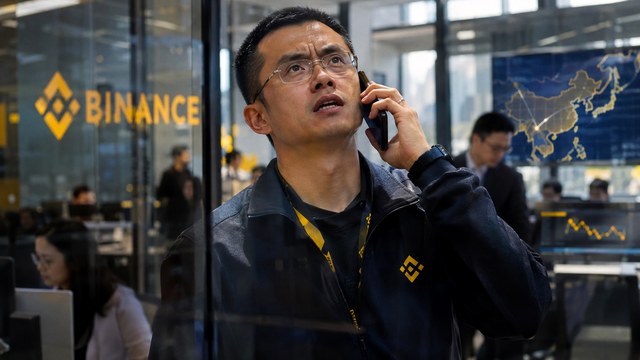
Binance Restores Withdrawals as North Korea Denies Heist
10 November 2026Binance is reopening customer withdrawals after replacing most stolen funds, while North Korea disputes US claims that it took $6.3 billion.
Exchanges Bolster Defenses as Binance Resumes Payouts
7 November 2026Major cryptocurrency platforms review approval systems while Binance lets customers withdraw funds again.
How it unfolded
Hackers Pierce Binance's Online Wallet Defenses
The crisis began on October 29 when attackers targeted Binance's "hot wallets" — storage systems connected directly to the internet for fast payouts. Binance acknowledged the attack the next day, freezing all customer withdrawals after discovering that unauthorized transfers had bypassed normal security checks. The thieves gained control of the company's internal wallet-signing software, which acts like an automated digital pen to approve transactions. That failure triggered an immediate worldwide alarm, prompting rival exchanges to audit their own controls and drawing scrutiny from government regulators.
Reopened Accounts Expose an Uneven Recovery
The recovery began with cash before digital coins. On November 2, Binance turned US-dollar withdrawals back on, having already reactivated euros and yen. It also published a mathematical audit covering ten major tokens to show it held enough funds to back customer deposits one-for-one. Yet local rules made the return uneven: Binance Japan restored only a handful of tokens, keeping many others suspended even as it confirmed local deposits were untouched. That same day, South Korean authorities summoned exchange leaders to question how they approve payouts.
By November 3, Binance expanded withdrawals across nine additional blockchain networks, enabling payouts for 51 more digital tokens on the Ethereum and Solana systems. But the day also brought fresh questions about how Binance failed to stop theft before signing. The exchange revealed that hackers broke in by compromising employee computers, manipulating an internal artificial intelligence assistant, and seizing the automated signing service. While Binance replaced affected computers and rebuilt its transaction network, it admitted an outside security audit has not yet validated the fixes.
Where things stand
Binance has reopened cash withdrawals and wider token channels, but customer access remains fragmented. A scheduled reopening is not the same as a completed rollout, and depositors must still verify whether their specific coin is unlocked in their home country. Binance maintains it will absorb the entire financial loss itself rather than deducting money from customer balances.
The core mystery is whether the exchange's defenses are truly fixed. Binance claims it has replaced 95% of stolen assets in one notice, but cited 98% in a report issued the following day, leaving the exact shortfall unclear. More importantly, no independent auditor has confirmed that the reconstructed software can block fraudulent withdrawals if hackers break in again. Until outside examiners inspect those defenses and Binance publishes its promised reserve audits, the safety of the platform remains an open question.