
We analyzed this claim: is it true that
U.S. courts authorized the Justice Department to seize or restrain more than $1.2 billion from the October 29 Binance hack within more than $2.7 billion frozen overall?
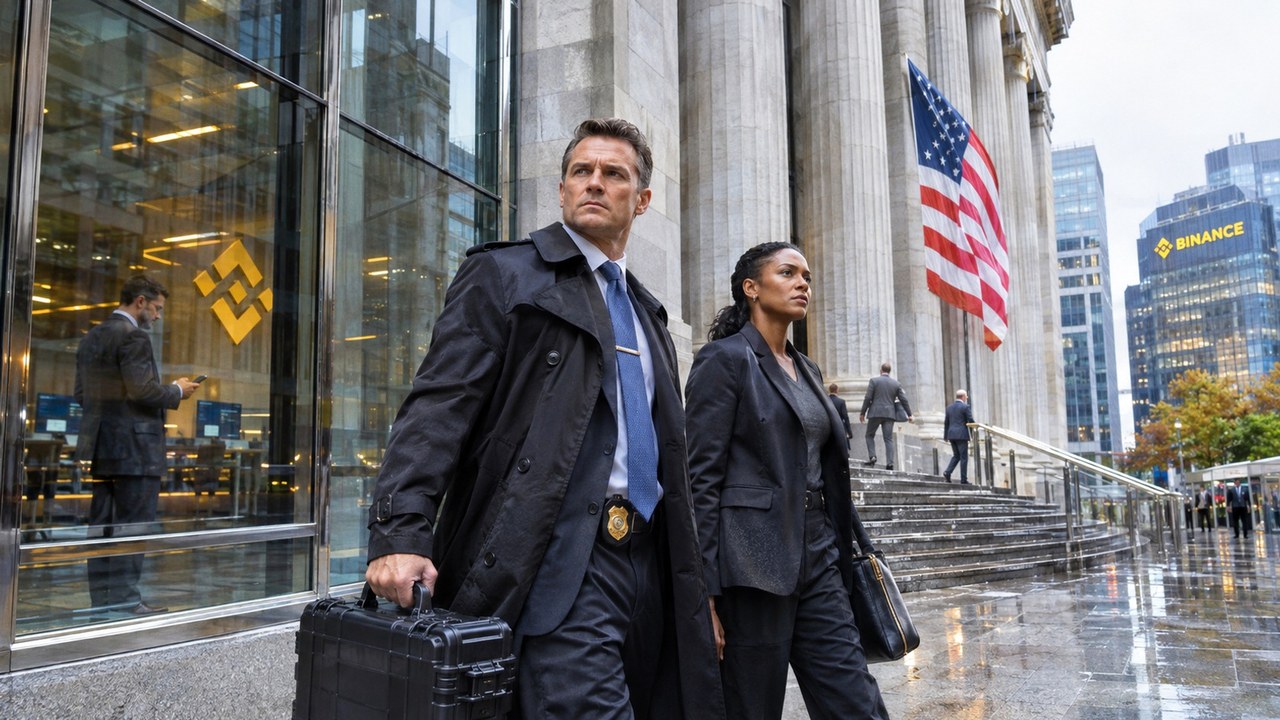
The Justice Department's November 12 announcement confirms both figures, backed by reporting from Bloomberg Law, Associated Press, and The Block. The $1.2 billion sits inside the $2.7 billion total rather than on top of it, and officials have not published which specific tokens, digital wallets, or holders currently hold those assets.
 ClaraAuthorComing December 1
 RafaVisual artistComing December 1
 JolinaMarketingComing December 1
U.S. courts clear seizure of $1.2 billion in Binance hack
American judges have authorized the government to seize or lock down more than $1.2 billion stolen from Binance, moving a record cryptocurrency theft into formal legal proceedings.
In a nutshell
After hackers linked by the FBI to North Korea's military stole roughly $6.34 billion from cryptocurrency exchange Binance on October 29, 2026, U.S. investigators and private token issuers froze more than $2.7 billion, and federal judges cleared the Justice Department on November 12 to seize or restrain more than $1.2 billion of that sum. While Binance used its own reserves to replace all missing customer assets, prosecutors still face formal court battles over permanent forfeiture and who gets paid before a single dollar can be distributed.
Highlights
- Hackers linked by the FBI to North Korea's TraderTraitor group drained roughly $6.34 billion from Binance on October 29, 2026.
- Public investigators and private stablecoin issuers froze more than $2.7 billion of the stolen funds, including over $1.5 billion in Tether's USDT and about $1.1 billion in Circle's USDC.
- U.S. federal courts authorized the Justice Department to seize or restrain more than $1.2 billion, which sits inside the $2.7 billion total rather than adding to it.
- Independent analysts at Bitquery estimated roughly $3.2 billion remained unfrozen in attacker hands, mostly in bitcoin and ether, with $333 million laundered in the first week.
- Binance completed replacing all affected customer assets on November 12 using company reserves, leaving open who can legally claim the court-restrained funds.
Publicly Reported Stablecoin Freezes vs. Court Seizure Scope
billion USD- Two dollar-pegged stablecoin issuers account for most of the frozen funds, while U.S. court orders cover more than $1.2 billion within that overall freeze.
- Tether USDT and Circle USDC — Digital tokens designed to stay equal to one U.S. dollar, whose issuing companies can remotely freeze stolen coins
- Court seizure or restraint orders — Judge-approved legal orders locking down or taking temporary custody of stolen assets before permanent forfeiture
- Central stablecoin issuers can block stolen coins quickly, but turning private freezes into permanent recovery requires formal court forfeiture rulings.
From the Editor’s Diary
Even in decentralized cryptocurrency markets, thefts involving dollar-pegged tokens issued by regulated companies can be frozen at scale, whereas coins without a central issuer remain far harder to stop once stolen.
Who's involved
U.S. Department of Justice
The federal agency that prosecutes U.S. crimes and recovers stolen property
goal → Secure legal control over the stolen funds, win permanent ownership through forfeiture, and return eligible money to rightful claimants
TraderTraitor
A hacking group linked by the FBI to North Korea's military and blamed for the Binance breach
goal → Keep control of the stolen cryptocurrency and move it out of reach of investigators and token issuers
Binance
One of the world's largest cryptocurrency exchanges, whose online wallets were breached on October 29
goal → Replace missing customer assets, maintain market trust, and assist investigators in recovering stolen funds
Federal Bureau of Investigation
The lead U.S. federal law enforcement agency tracing the stolen funds and identifying the attackers
goal → Uncover who carried out the theft, disrupt money-laundering routes, and help preserve recoverable assets
Tether
The company that issues USDT, a digital token pegged to the value of one U.S. dollar
goal → Block stolen USDT from moving, comply with lawful recovery requests, and show its freeze controls work
Circle Internet Group
The U.S. financial technology firm that issues USDC, a digital token pegged to the U.S. dollar
goal → Hold frozen USDC under legal instructions while leaving final ownership and forfeiture decisions to the courts
U.S. federal courts
Independent American courts that review seizure requests and decide legal disputes over property
goal → Ensure disputed digital assets are held lawfully and rule on competing ownership claims
In short
Law enforcement has moved a massive cryptocurrency theft from emergency freezes into the courts, showing that stolen digital money can be legally trapped even when thieves try to hide it across global computer networks. On November 12, 2026, the U.S. Department of Justice announced that federal judges had cleared the government to seize or restrain more than $1.2 billion connected to the October 29 breach at Binance, one of the world's largest online exchanges for buying and selling digital currencies.
Next, federal prosecutors must file formal court actions to prove the money came from a crime and decide who legally owns it. That outcome remains uncertain because judges have not yet ruled on permanent ownership, and Binance has already used its own company reserves to make customers whole, complicating who qualifies to receive any recovered funds.
The theft began on October 29, when hackers drained roughly $6.34 billion in digital assets from Binance-controlled online wallets, which are software accounts that store cryptocurrency. Investigators at the Federal Bureau of Investigation link the attack to TraderTraitor, a hacking group tied to North Korea's military, though that remains an official investigative finding rather than a criminal conviction. Working together, government agents and private cryptocurrency companies have frozen more than $2.7 billion of the stolen funds, meaning the issuers blocked those digital coins from moving.
Previously in this story

Binance Hack Triggers Audits in Korea, U.S.
13 November 2026A record cryptocurrency theft forces regulators in South Korea and the United States to check whether mainstream financial firms can withstand similar attacks.
Binance Promises Independent Audit Under Mounting Scrutiny
10 November 2026Company disclosures and government reviews test whether public authorities can oversee global crypto platforms.
Who Holds Binance Accountable for $6.3 Billion
8 November 2026Regulators and police are circling after history's biggest crypto theft, but formal legal penalties remain out of reach.
How it unfolded
A Theft of $6.34 Billion Triggers a Global Asset Freeze
Unauthorized withdrawals began draining Binance-controlled wallets at about 20:05 UTC on October 29. Pseudonymous blockchain analyst Spreek flagged a suspected major breach on social media platform X at roughly 20:32 UTC, followed by news coverage from The Block at 21:49 UTC. Those early alerts prompted private token issuers and federal agents to begin locking down wallets before thieves could cash out, setting the stage for U.S. court intervention.
Investigators Freeze Billions While Binance Replaces Losses
Two parallel tracks emerged in early November: investigators worked to trap stolen tokens on public digital ledgers, while Binance used its own money to refill customer accounts. That split made recovery more complex, because replacing missing funds from company reserves does not recover money from hackers. By November 3, Binance and analytics firm Chainalysis estimated roughly $2.8 billion to $2.85 billion had been frozen or intercepted, while TRM Labs documented attackers splitting funds across custom tokens and cross-network bridges to evade tracking.
Stablecoin Freezes Hold as Unfrozen Bitcoin and Ether Keep Moving
Attention turned from the headline freeze total to how much money courts could actually claim. On November 5, Circle confirmed it had frozen about $1.1 billion in USDC at law enforcement's request, noting that blocking a wallet stops transfers but does not settle legal ownership—a point that made U.S. court orders necessary. Meanwhile, analytics firm Bitquery estimated that roughly $3.2 billion remained in attacker hands, mostly in bitcoin and ether, which lack a central company able to freeze coins remotely, while about $333 million was laundered in the first week.
U.S. Courts Authorize Seizure as Binance Completes Replacements
On November 12, separate announcements showed major progress on both fronts while leaving final ownership unresolved. Binance reported it had finished replacing all affected assets using more than $6.34 billion from its SAFU customer-protection fund, futures insurance reserves, and corporate treasury. Hours later, the Justice Department announced that federal courts had authorized seizing or restraining more than $1.2 billion within the broader $2.7 billion freeze, though officials did not release the underlying court orders, wallet lists, or token breakdown.
Where things stand
As of November 13, 2026, U.S. court authorization to seize or restrain more than $1.2 billion—inside more than $2.7 billion frozen by investigators and private firms—stands as the latest confirmed step. Key details remain unpublished: the Justice Department has not released the underlying warrants, case numbers, issuing courts, exact token breakdown, or whether any funds have already moved into government custody, and the slight gap between Binance's $2.85 billion freeze estimate and the government's $2.7 billion figure remains unexplained.
Next, prosecutors must unseal or file formal forfeiture actions, notify potential claimants, and win a final court ruling before any money can be distributed. Because Justice Department rules normally bar paying victim compensation for losses already covered elsewhere, Binance's decision to reimburse customers from its own funds makes who can legally claim the recovered $1.2 billion a central open question, with no timetable or payout plan set.