
We analyzed this claim: is it true that
Binance disclosed details of its $6.3 billion cyberattack, pledged an independent review, and spurred new government oversight initiatives?
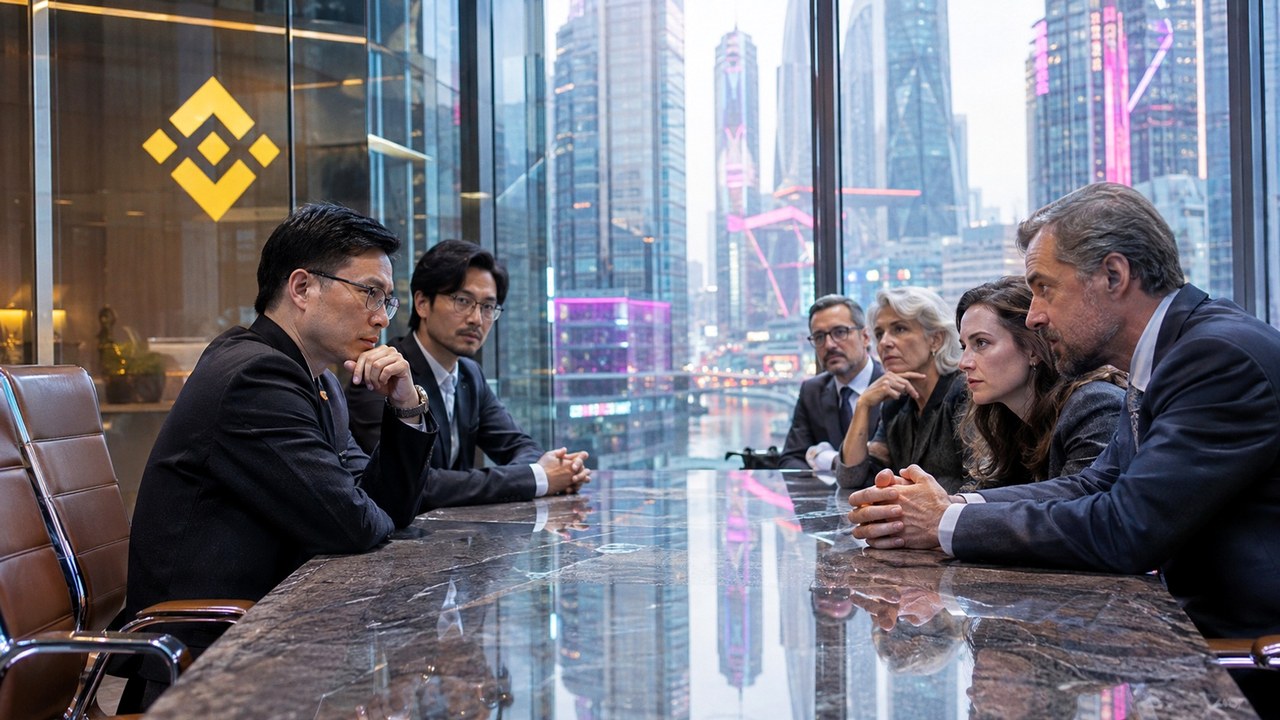
Binance published an internal breach report and promised external review, while South Korea ordered a cybersecurity review, but no regulator has mandated an independent audit, established custodial fault, or issued sanctions
 ClaraAuthorComing December 1
 RafaVisual artistComing December 1
 JolinaMarketingComing December 1
Binance Promises Independent Audit Under Mounting Scrutiny
Company disclosures and government reviews test whether public authorities can oversee global crypto platforms.
In a nutshell
Binance revealed that a long-running social engineering hack helped thieves steal $6.34 billion from its online accounts by hijacking internal transaction approvals. The company promised an independent security audit, but because the review is voluntary and self-commissioned, international authorities still lack legal power to inspect the underlying evidence or determine whether customer protection laws were broken.
Highlights
- Attackers stole roughly $6.34 billion by compromising Binance's internal transaction-signing software.
- Binance promised an independent external security review but kept technical details confidential and named no auditor.
- Investigators froze roughly $2.85 billion in stolen tokens, but the funds have not been legally recovered.
- South Korea ordered policy reviews into unified national cybersecurity coordination following the attack.
- No government regulator has issued an enforcement sanction or ruled that Binance breached custody laws.
Binance Reserve Replenishment Estimates
| Reporting Date | Share of Reserves Replenished |
|---|---|
| November 2 | 95% |
| November 3 | 98% |
- Two consecutive corporate disclosure statements from Binance reporting the restoration progress of exchange reserve funds.
- The discrepancy between the two reported rates shows how voluntary corporate disclosures can leave basic recovery figures unverified.
From the Editor’s Diary
Voluntary transparency from global financial platforms cannot substitute for binding legal oversight. Until cross-border regulators gain the power to examine private systems directly, users remain dependent on corporate goodwill rather than public law.
Who's involved
Binance
Global marketplace for digital currencies recovering from an unprecedented system breach
goal → Repair compromised security systems, regain user confidence, assist official inquiries, and prevent legal penalties
Lee Jae Myung
President of South Korea who ordered policy reviews into unified digital security
goal → Build national defenses against cyberattacks, coordinate public agencies, and protect financial systems
Richard Teng and Jimmy Su
Binance's co-chief executive and head of security who presented the internal inquiry
goal → Explain how security broke down, establish public credibility, and guide corrective technical repairs
Financial Services Regulatory Authority (FSRA)
Financial watchdog of the Abu Dhabi Global Market that licenses Binance's regional trading operations
goal → Safeguard depositors, preserve trading fairness, and verify if regulated entities met legal requirements
Commodity Futures Trading Commission (CFTC)
United States financial regulator proposing stricter safeguards for digital asset platforms
goal → Establish formal rules for digital currency exchanges and expand customer safeguards
Federal Bureau of Investigation (FBI)
United States federal policing agency investigating the hack and tracing North Korean criminal links
goal → Track stolen funds, identify perpetrators, disrupt illicit cash networks, and pursue charges
In short
The public now has an explanation of how the largest cryptocurrency theft happened, but governments still lack the legal power to verify it independently. That gap between voluntary corporate reports and compulsory public regulation matters because digital platforms hold billions in customer funds across borders without standard bank-like supervision.
This disclosure makes international regulators likely to demand direct access to the company's internal security data and forensic records.
Whether that oversight happens remains uncertain, because global financial watchdogs currently lack unified cross-border authority to compel Binance to release confidential evidence.
Previously in this story

Who Holds Binance Accountable for $6.3 Billion
8 November 2026Regulators and police are circling after history's biggest crypto theft, but formal legal penalties remain out of reach.
How it unfolded
An Unprecedented Theft Empties Digital Wallets
The break-in began late on October 29 when unauthorized instructions started draining money from Binance's online wallets across multiple blockchains, the digital ledgers that record cryptocurrency transfers. Public blockchain records and early financial reporting quickly tracked billions slipping away into unknown accounts. The scale of the loss immediately raised questions about how modern online exchanges safeguard the customer money left in their care.
Internal Admissions Prompt Fresh Government Demands
Binance opened its doors to public scrutiny by acknowledging that a months-long intrusion reached three software engineers, an internal automated tool, and the core cryptographic service used to approve transactions. The exchange announced that independent auditors would inspect the damage, though it kept key technical files private. The admissions intensified calls from world leaders for unified cybersecurity standards, while questions emerged over who will pay if stolen funds cannot be recovered. Learning to stop theft before signing remains the unresolved dilemma across the crypto industry.
Where things stand
The public now knows how attackers slipped through Binance's defenses, but no legal body has ruled on who is liable for the breakdown. Binance admits that intruders abused its transaction authorization system to bypass regular withdrawal limits and left behind automated permissions that survived temporary trading halts. These concessions give state regulators concrete failures to review, but no government watchdog has published a formal finding of custody negligence or forced the firm to turn over complete forensic records. Furthermore, the roughly $2.85 billion described as frozen by investigators has not been returned to company accounts.
Regulators face strict limits on what they can order. Abu Dhabi's financial authority oversees Binance's local corporate entities, while American law enforcement can chase stolen assets abroad without having the power to impose sweeping commercial rules. Proposals from United States regulators and national security directives in South Korea represent policy debates rather than binding orders against the exchange.
Three issues will decide what happens next: whether financial regulators obtain full access to Binance's technical data, whether independent reviewers publish their findings without corporate interference, and whether law enforcement recovers the missing billions. A transparency gap also remains unexplained: Binance cited a 98% reserve replenishment level on November 3 after reporting 95% the previous day.