
We analyzed this claim: is it true that
an anonymous seller using the ShinyHunters name offered 335.9 million lines of stolen Binance customer data for $900,000 after the exchange's October cryptocurrency theft?

The $900,000 sale listing and Binance's rejection are documented, but the alleged customer data remains unverified, and Binance says the offer is likely a scam with no established link to the October attackers.
 ClaraAuthorComing December 1
 RafaVisual artistComing December 1
 JolinaMarketingComing December 1
Binance Dismisses $900,000 Customer Data Sale Claim
An unverified extortion listing following a record cryptocurrency theft creates new impersonation risks for exchange users.
In a nutshell
Following the October 29, 2026 theft of about $6.34 billion from Binance, an anonymous seller using the ShinyHunters name demanded $900,000 for 335.9 million lines of alleged customer records. Cybersecurity monitors flagged the underground listing on November 8, prompting Binance and co-founder Changpeng Zhao to dismiss the claim as a likely scam due to technical contradictions, including claims of plain-text passwords and keys for outside wallets the exchange does not hold. Independent security reviews have found no verified proof of a new customer database breach or any link to the October thieves, leaving fake security messages and phishing as the primary immediate risk to users.
Highlights
- An anonymous seller using the ShinyHunters name demanded $900,000 in cryptocurrency for 335.9 million lines of purported Binance customer records.
- The listing followed the confirmed October 29, 2026 theft of approximately $6.34 billion from Binance's internet-connected wallets.
- Binance rejected the breach claim on November 8 and November 9, noting it does not store plain-text passwords or control outside wallet keys.
- Co-founder Changpeng Zhao questioned why anyone holding working private wallet keys would sell them for $900,000 instead of taking the funds directly.
- Security analysts have found no independent proof that the dataset is authentic, that 335.9 million individuals were exposed or that the seller was involved in the October theft.
From the Editor’s Diary
A major hack often triggers a second wave of deception in which unverified leak claims become tools for fraud. Even when a supposed data sale is fabricated, the fear it generates can be enough to trick people into handing over real passwords or funds to impersonators.
Who's involved
Binance
A major international platform for trading digital currencies whose online wallets were drained in October 2026
goal → Protect customer trust, separate the confirmed wallet theft from unverified breach claims and prevent follow-on fraud
Unidentified ShinyHunters-branded seller
An anonymous actor advertising alleged Binance customer records under the name of a known digital extortion group
goal → Collect $900,000 in cryptocurrency or use the threat of publication for leverage, though neither the seller's identity nor possession of real data is verified
ThreatMon
A cybersecurity monitoring organization that tracks and reports online threats
goal → Warn the public about a potential criminal data sale while noting that the claims remain unverified
Changpeng Zhao
Binance's co-founder and former chief executive, widely known as CZ
goal → Challenge the credibility of the advertised data sale and defend the exchange's reputation
Binance customers
Everyday users who hold digital currencies or maintain accounts on the exchange
goal → Keep their accounts, personal records and funds safe from fake security messages and unauthorized transfers
In short
An unverified claim of a massive customer data leak is giving scammers a new pretext to target cryptocurrency users after a record theft. Following the October 29, 2026 theft of about $6.34 billion from Binance, one of the world's largest platforms for buying and selling digital currencies, an anonymous seller using the name of cyber-extortion group ShinyHunters demanded $900,000 in cryptocurrency and threatened to publish 335.9 million lines of purported customer records.
Fraudsters are likely to use the publicity around this claim to trick customers into handing over passwords, identity documents or digital funds through fake security alerts. That outcome is likely because criminals routinely exploit confusion after major hacks, even though no independent investigators have verified that any new customer database was stolen.
Binance rejected the claim on November 8 and November 9, saying its early review found no evidence of a new break-in and pointed to clear technical flaws in the seller's description. Co-founder Changpeng Zhao also dismissed the listing as an apparent scam, while security analysts noted that neither the seller's identity nor any connection to the October wallet thieves has been proven.
Previously in this story
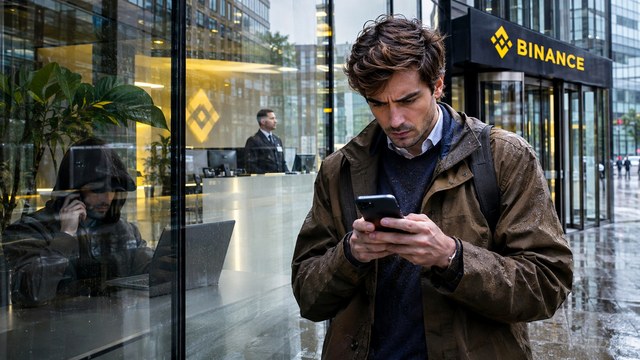
Fake Binance Payouts Trap Anxious Crypto Users
10 November 2026Online scammers are targeting customers with counterfeit refund offers following a massive exchange theft.
How it unfolded
An alleged customer database reaches a wider audience
At 09:20 UTC on November 8, cybersecurity monitoring account ThreatMon posted a warning on social media platform X about an underground listing offering purported Binance customer records. The post described a seller using the ShinyHunters name who demanded $900,000 and threatened to release the files if unpaid. Cybersecurity firm Brandefense had already spotted similar ads on messaging app Telegram in research published on November 3, but ThreatMon's alert brought the claim to wider public attention without verifying the data. That public spread made a response from the exchange unavoidable, prompting Binance to address the listing later that day and drawing wider media coverage on November 9.
Binance Challenges an Alleged Data Sale as Another Scam Risk
The October wallet theft had already left customers anxious about their funds, creating fertile ground for impersonators. The new listing raised a separate alarm by claiming to hold records from roughly 170 countries, including passwords, passport scans, transaction logs and private wallet keys—the secret codes used to move digital funds. Yet investigators found no proof that the database existed, that 335.9 million lines equaled 335.9 million real people or that the genuine ShinyHunters group was behind the offer.
Binance pushed back on November 8, stating in a customer-support post that its initial review pointed to fraud rather than a new system intrusion. The company noted three major contradictions: it does not store passwords in plain readable text, it does not hold private keys for customers' outside wallets and it no longer operates in some countries listed by the seller. Binance added that such listings sometimes bundle information stolen by malicious software on individual users' computers rather than from an exchange's servers, weakening the claim of a fresh corporate breach.
Independent reports by crypto.news and BleepingComputer on November 9 documented Binance's denial and described the seller as an apparent ShinyHunters impersonator. Later that day, co-founder Changpeng Zhao pointed out that anyone holding working private wallet keys would simply drain the funds rather than sell the keys for $900,000. On November 10, security outlet eSecurity Planet reinforced that database line counts do not prove individual victims and that no authenticated evidence supported the leak, shifting the focus from a second breach to the immediate risk of copycat phishing scams.
Where things stand
As of November 12, 2026, the existence of the $900,000 sale listing and Binance's denial are confirmed, while the supposed leak of 335.9 million customer records remains unproven. No independent review has verified the dataset, confirmed a count of affected individuals, found a break-in at Binance's customer database or linked the seller to the October 29 attackers. Binance's view that the listing is likely a scam remains a preliminary finding rather than a final public forensic report, and whether the seller belongs to the real ShinyHunters group is also unconfirmed.
For ordinary users, the immediate danger is deception rather than a confirmed second hack. Scammers often use dramatic leak headlines to send fake messages urging people to verify accounts, pay recovery fees or move funds. Customers are advised to open Binance only through its official app or a typed web address, check alerts through official support and never share passwords, two-step login codes or wallet recovery phrases. Whether any portion of the advertised files is real and who operates the seller account remain open questions.