
We analyzed this claim: is it true that
scammers are exploiting the Binance hack with fake $150 compensation offers, impersonated support messages and fraudulent recovery websites?
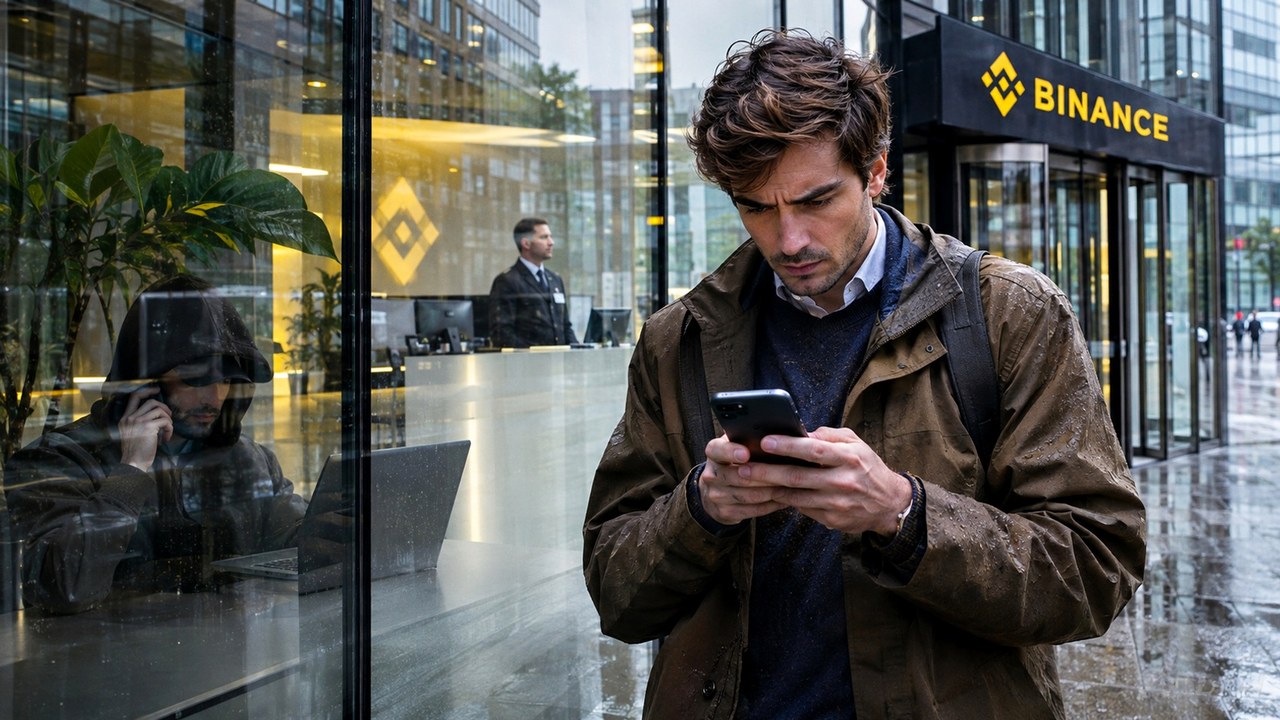
Binance confirmed that circulating images offering $150 cash vouchers were digitally altered, while independent security analysts documented fraudulent recovery portals and phishing emails targeting customer funds.
 ClaraAuthorComing December 1
 RafaVisual artistComing December 1
 JolinaMarketingComing December 1
Fake Binance Payouts Trap Anxious Crypto Users
Online scammers are targeting customers with counterfeit refund offers following a massive exchange theft.
In a nutshell
Following a massive theft from cryptocurrency exchange Binance, digital fraudsters launched coordinated online schemes to prey on customers facing paused withdrawals. Scammers created counterfeit refund websites, circulated manipulated images promising $150 cash payouts, and dispatched emails demanding advance Bitcoin fees to release funds. While Binance restored withdrawals in phases, promised to absorb the theft losses, and offered an unrelated trading-fee rebate, security researchers warned that third-party messages offering emergency asset recovery are traps designed to steal user money.
Highlights
- Binance confirmed that circulating images offering a $150 withdrawal-pause compensation were digitally altered fakes.
- Threat intelligence analysts identified counterfeit reimbursement portals mimicking Binance's emergency protection fund to capture user wallet data.
- Phishing emails impersonating a reimbursement desk demanded an advance verification payment of 0.0042 Bitcoin to unlock promised funds.
- Binance launched a genuine 100 USDC trading-fee rebate voucher, but excluded users in the United States, Britain, and the European Economic Area.
From the Editor’s Diary
Whenever a major financial platform suffers an operational disruption, criminals use the resulting confusion to pose as helpful support staff. In any digital asset crisis, unprompted offers of fast recovery or emergency compensation almost always lead to secondary fraud.
Who's involved
Binance
A global cryptocurrency trading platform recovering from a hot-wallet compromise
goal → Restore withdrawals safely, absorb theft losses, and stop fraudulent actors from impersonating its staff
Unidentified phishing operators
Unknown digital fraudsters deploying deceptive emails and websites
goal → Trick users into transferring cryptocurrency, paying fake verification fees, or surrendering wallet access
Binance customers and cryptocurrency holders
Everyday account owners seeking to access or safeguard their assets
goal → Keep control of their digital money and avoid sending funds to deceptive recovery traps
Yi He
Binance co-founder and senior executive
goal → Rebut false voucher claims publicly and direct users toward authentic company communications
Bitdefender Antispam Lab
A commercial cybersecurity research group tracking online email attacks
goal → Analyze deceptive phishing campaigns and warn the public about new exploitation tactics
Trust Wallet
An independent digital wallet service whose brand was mimicked by scammers
goal → Guard account holders against deceptive security warnings that urge emergency wallet verification
In short
Criminal opportunists are using the uncertainty following a massive exchange breach to trick everyday users into handing over their money. After digital-asset exchange Binance paused withdrawals following an October 29 cyberattack, fraudulent campaigns began circulating fake $150 compensation offers, counterfeit recovery portals, and bogus support emails designed to steal customer credentials and coins.
The immediate outcome is that account holders who rely on unverified online messages risk losing personal assets to secondary theft while awaiting legitimate account access.
That risk is near-certain because multiple deceptive websites and email schemes are already circulating publicly, and unverified users often struggle to distinguish official corporate announcements from sophisticated imitations.
How it unfolded
A massive digital theft opens the door to fraud
On the evening of October 29, automated monitoring systems flagged unauthorized transfers draining digital tokens from internet-connected hot wallets run by Binance. Independent researchers and security firms sounded alarms online within minutes, leading company leaders to confirm the breach and halt account withdrawals while securing systems. The underlying incident did not directly expose individual user passwords. Instead, the resulting freeze on withdrawals created panic and confusion, giving outside criminals a plausible premise to approach anxious customers with fake offers of help.
Counterfeit portals mimic official safety funds
Binance quickly assured users that its Secure Asset Fund for Users, known as SAFU, alongside corporate capital would absorb the theft entirely. But scammers immediately twisted that promise into a lure. Within forty-eight hours, deceptive websites appeared online using official corporate logos and claiming to host an emergency SAFU claims process. Security monitors flagged these domains for soliciting private wallet details under the guise of processing reimbursements. A companion report examines how Binance's $6.3 Billion Promise Faces Its First Reserve Test as the exchange moves to stabilize client confidence.
Fabricated vouchers spread as withdrawals reopen
As Binance began reopening withdrawals in careful stages on November 1, social media posts shared an edited image claiming the exchange was handing out $150 cash vouchers for the inconvenience. Binance rejected the image as a digital fake, and co-founder Yi He warned that no cash giveaway existed. Scammers also began attaching fake announcement text to tiny token transfers, advising users to move money into a nonexistent protected vault. Independent researchers separately traced deceptive web portals displaying countdown clocks and bogus customer queues to trick visitors into linking their digital wallets.
A real promotion muddies the water
Confusion deepened on November 2 when Binance introduced an actual customer appreciation program. The real offer gave qualifying users a 100 USDC rebate voucher on future trading fees, but barred residents in the United States, the United Kingdom, and the European Economic Area. Because the real promotion coexisted with fraudulent offers, distinguishing genuine announcements from phishing lures grew harder. Later that day, Binance published explicit security rules, noting it will never send direct messages demanding fees to unlock accounts or asking people to transfer funds to external vaults.
Phishing campaigns deliver fake deadlines and fee demands
Cybersecurity firm Bitdefender uncovered two active email operations on November 3 that exploited the breach. One campaign posed as a reimbursement office, promising Bitcoin compensation tiers if the recipient first sent a mandatory 0.0042 Bitcoin verification payment, worth roughly $327. A second scheme mimicked Trust Wallet, warning that accounts would face suspension unless holders clicked an urgent verification link. Analysts noted this message simply recycled an older scam template to exploit the news. Meanwhile, Binance stated it had already replaced 98% of the affected tokens, emphasizing that real customer compensation requires no upfront fees.
We checked again
No new developments at this moment.
Checked Binance's November 4 recovery announcement (https://www.binance.com/en/square/post/384674399709556), security researchers' phishing-domain monitoring and November 4–5 reporting. No independently verified new scam campaign specifically exploiting the October 29 hack, additional victim losses, or substantive new fraud warning emerged after November 3. The November 1 denial of fabricated $150 compensation and November 2 anti-scam advisory were independently corroborated but belong to alread
Where things stand
The wave of post-theft fraud is confirmed through verified domain blocklists, independent cybersecurity analysis, and corporate advisories. The widely shared $150 compensation voucher is false, and authentic exchange promotions do not hand out direct cash grants to unlock frozen accounts. Customers should log into official applications directly rather than following links sent through private messages or emails.
What remains unknown is the total dollar sum lost by deceived individuals, how many users interacted with the phishing links, and whether the scammers have any connection to the original hack. Investigators have not identified the operators behind the fake domains, and confirmed customer loss totals have yet to be established.
Sources
- PhishDestroy, technical evidence and archived captures for sup-binance[.]sbs
- PhishDestroy, technical evidence and archived captures for support-binance[.]exchange
- Binance official X account, denial of digitally altered screenshot
- TechFlow, contemporaneous report of Binance's correction