
We analyzed this claim: is it true that
the New York Stock Exchange chose Avalanche as the sole settlement ledger for its planned round-the-clock digital stock exchange?
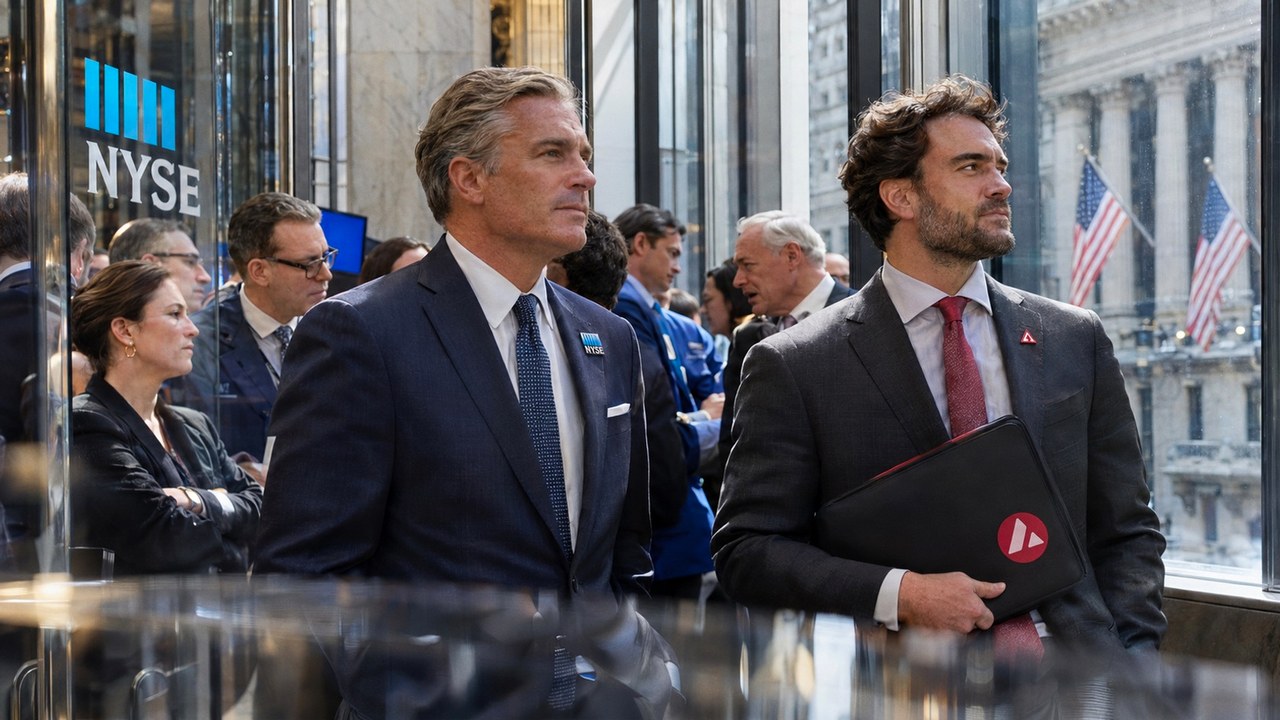
NYSE and software firm Ava Labs confirmed Avalanche was chosen to clear and settle trades, but federal regulators have not yet approved the market and its clearing firm is not yet named.
 ClaraAuthorComing December 1
 RafaVisual artistComing December 1
 JolinaMarketingComing December 1
NYSE picks Avalanche for round-the-clock stock trades
The New York Stock Exchange has picked blockchain network Avalanche to record trades on a planned 24-hour stock market, though regulators have not yet approved the venue.
In a nutshell
The New York Stock Exchange has picked blockchain network Avalanche to record trades on a planned 24-hour marketplace for tokenized U.S. stocks. The system aims to let investors buy and sell shares instantly outside standard banking hours using digital ledgers. The partnership gives the project its technical foundation, but the market cannot open until federal regulators approve the venue and the exchange names the firm that will clear its trades.
Highlights
- NYSE selected Avalanche on November 9 to provide the core settlement ledger for its planned round-the-clock stock market.
- The trading system will run on a dedicated private blockchain rather than on Avalanche's shared public network.
- The exchange operator expanded its corporate recordkeeping network to six partner firms that serve nearly 5,000 public companies.
- The venue remains unopened because federal regulators have not granted final approval and the clearing firm remains unnamed.
From the Editor’s Diary
Upgrading the plumbing of a traditional stock exchange requires regulators to accept digital ledgers before continuous trading can become a reality.
Who's involved
New York Stock Exchange and Intercontinental Exchange
The world's largest stock exchange and its American parent company, which runs trading venues and clearinghouses
goal → Build a regulated 24-hour digital stock market that keeps standard investor safeguards and corporate control
Ava Labs and Avalanche
A New York software developer created by computer scientist Emin Gün Sirer, and the blockchain network it built
goal → Make Avalanche the primary recordkeeper for major financial markets beyond everyday cryptocurrency trading
U.S. Securities and Exchange Commission
The primary federal regulator that polices American financial markets and protects everyday investors
goal → Enforce existing securities rules and require strict safeguards before allowing any new trading system to open
Securitize
A regulated financial-technology firm that turns standard company shares into digital tokens and tracks who owns them
goal → Serve as a main digital recordkeeper for companies listing tokenized shares on the new venue
tZERO
A financial-technology company with patents and software designed for trading tokenized investments
goal → Provide brokerage and recordkeeping designs and license its blockchain patents to the exchange operator
In short
The world's most famous stock market is trying to rebuild how shares change hands so trading never has to stop for nights, weekends, or bank holidays. Today, buying a stock triggers days of paperwork behind the scenes; putting those records onto a shared digital ledger could complete trades instantly. This selection makes it likely that the exchange operator will submit a finished technical plan to federal regulators to launch around-the-clock digital trading. That outcome is uncertain because government watchdogs have not yet approved the venue, and the company handling the transactions remains unnamed.
Investors had assumed the New York Stock Exchange would stick to conventional financial plumbing while experimenting with digital assets. Choosing a dedicated version of Avalanche reprices expectations, showing that major exchange operators are willing to anchor core market settlement to outside blockchain software.
How it unfolded
NYSE announces plan for continuous stock trading
The New York Stock Exchange and its owner, Intercontinental Exchange, announced on January 19 that they were building an alternative trading venue to trade tokenized company shares at any hour of the day. The system was designed to match orders with existing exchange software while using blockchain records to settle ownership, but the company named no blockchain partner. Ava Labs later said the two sides had already spent roughly a year privately testing Avalanche before the public announcement.
Building the plumbing for round-the-clock cash
Running a 24-hour market requires cash to move outside ordinary banking hours, leading the exchange owner to work with commercial banks on digital deposits. In March, the exchange parent formed a partnership with cryptocurrency platform OKX to explore distributing the tokenized shares globally. Days later, it signed an agreement with Securitize to handle company ownership records on digital networks.
New technology meets cautious federal regulators
The exchange group expanded its technical partners in late August by licensing patents from digital trading specialist tZERO. In September, federal market regulators introduced temporary trial rules for certain automated onchain trading systems, though not an overall approval for the planned exchange. That same month, an Ava Labs executive publicly disclosed that the exchange operator had spent about a year testing Avalanche, though neither firm announced a contract.
NYSE selects Avalanche to settle trades
The exchange brought its network of recordkeeping partners to six on November 2, adding firms that manage records for thousands of publicly traded companies. On November 9, Ava Labs and the stock exchange announced that Avalanche had been selected to run the core settlement ledger for the new marketplace. The platform will operate on its own private version of the Avalanche network rather than on the public chain, leaving the identity of the clearing business and regulatory approval still to be settled.
Where things stand
The selection of Avalanche as the core technology for the planned trading venue is officially confirmed, but the market cannot open without government approval. The New York Stock Exchange and Ava Labs have not named the licensed clearing business that will guarantee the trades, nor have they published a list of approved stocks or confirmed whether the system will use the commercial AVAX token. Until federal regulators review and clear the operational filings, the system remains a planned technical project rather than an active stock market.