
We analyzed this claim: is it true that
Alternative.me's Crypto Fear & Greed Index fell to 29 on November 11, 2026, as total cryptocurrency market value shrank and selling hit most digital coins?
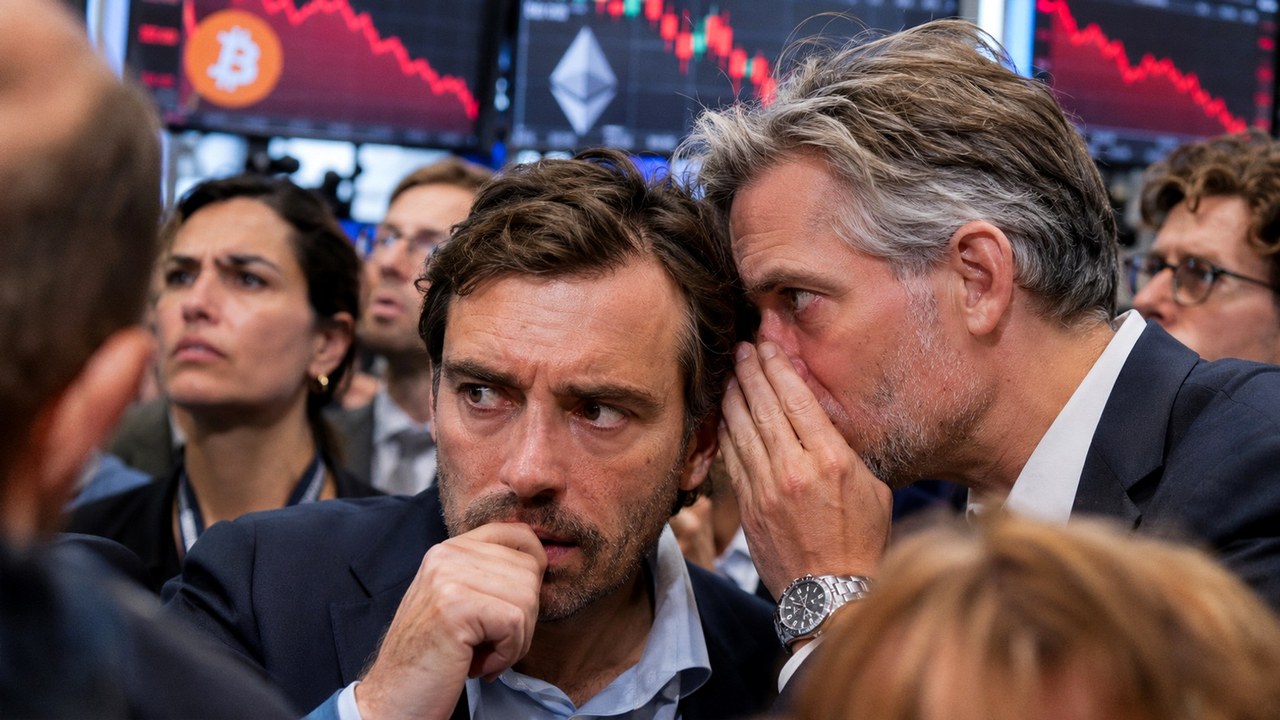
Daily sentiment dropped from 32 to 29 on November 11, matching widespread price drops and shrinking market value recorded by independent tracking services.
 ClaraAuthorComing December 1
 RafaVisual artistComing December 1
 JolinaMarketingComing December 1
Federal Reserve drives crypto market down to 29
Stubborn consumer price data and talk of higher interest rates extinguish an attempted recovery across digital currencies.
In a nutshell
A fragile pause in the cryptocurrency market collapsed after unexpectedly high United States inflation data and central bank remarks raised expectations of higher interest rates. The prospect of persistent borrowing costs led investors to pull money from speculative digital tokens, driving total market value down to roughly $2.48 trillion, triggering hundreds of millions of dollars in forced trading liquidations, and returning widely watched market sentiment back into fear territory.
Highlights
- Alternative.me's daily sentiment index fell three points to 29 out of 100 on November 11, remaining in fear territory.
- US consumer prices rose 0.4% in October, exceeding expectations and fueling forecasts for central bank interest rate increases.
- Bitcoin dropped to roughly $72,643 on November 10, reaching its lowest price since August.
- Regulated US spot Bitcoin funds lost $201 million in net investor withdrawals on November 9.
- Total cryptocurrency market value fell to roughly $2.47 trillion to $2.48 trillion on November 11, down roughly 4% to 5% over 24 hours.
Alternative.me Crypto Fear & Greed Index
index pointsThe findingMarket sentiment stayed entirely within the fear zone before falling back to 29 following the inflation report.
- Daily sentiment readings for the cryptocurrency market from November 7 through November 11, 2026.
- index points — Daily score from 0 to 100 where lower numbers represent increasing market fear and higher numbers represent greed
- It shows that investor confidence remained depressed throughout the period and failed to sustain an attempted recovery.
From the Editor’s Diary
When inflation stays high, traditional cash assets pay higher guaranteed returns, which systematically drains money away from high-risk speculative investments.
Who's involved
Cryptocurrency traders and investors
People, trading companies and funds buying and selling digital currencies
goal → Protect their money, limit losses on borrowed money and decide whether lower prices represent bargains or further danger
US Federal Reserve
The United States central bank, which manages the money supply and sets interest rates
goal → Lower inflation to its 2% annual goal without damaging jobs or the broader financial system
Christopher Waller
A governor at the Federal Reserve who openly backed raising benchmark interest rates
goal → Convince other rate-setters that higher borrowing costs are necessary to control stubborn inflation
BlackRock
A large global money management firm managing the iShares Bitcoin Trust fund, which lets stock investors buy Bitcoin
goal → Run its investment fund successfully and retain investor deposits despite falling coin prices
Alternative.me
A market analysis website that publishes a daily sentiment index measuring market fear
goal → Measure prevailing investor sentiment using public data to highlight emotionally driven market swings
US Bureau of Labor Statistics
The government agency that measures consumer prices and employment trends
goal → Deliver accurate economic reports for use by policymakers, companies and the public
Coinmico
A market tracking service that monitors cryptocurrency prices, daily turnover and market trends
goal → Track digital asset trading across major exchanges and summarize daily market movements
In short
Cryptocurrency prices fell across the board after official data showed higher United States inflation, signaling that borrowing costs will stay high for longer. This sudden shift in economic expectations makes safe, interest-bearing bank assets more attractive to investors while draining cash out of speculative digital tokens. The immediate result is likely to be sustained downward pressure on coin values until the central bank decides on its next interest rate move in December. Whether that outcome holds is uncertain, as it depends directly on upcoming wholesale inflation data and whether institutional investors stop withdrawing cash from Bitcoin funds.
The total value of all cryptocurrencies dropped to roughly $2.47 trillion to $2.48 trillion on November 11, down roughly 4% to 5% over 24 hours. The decline was broad: smaller alternative currencies suffered sharper percentage drops than Bitcoin, while hundreds of different coins lost ground at once. A widely tracked sentiment barometer dropped three points to 29 out of 100, remaining in fear territory.
The slide followed several consecutive strains. Unease after the November 3 US midterm elections and continuous cash withdrawals from regulated investment funds had already weakened market stability. A temporary pause broke when Federal Reserve policymaker Christopher Waller supported higher interest rates and consumer price inflation exceeded forecasts on November 10. Higher rates raise returns on government bonds, leaving less incentive for investors to take risks in digital tokens.
Previously in this story

Federal Reserve inflation threat pulls Ether down
11 November 2026Higher consumer prices and tech losses sparked broad cryptocurrency selling.Federal Reserve rhetoric pushes Bitcoin below $74,000
11 November 2026Bitcoin dropped 2.5% on November 10, 2026, as hot inflation figures and interest rate warnings forced derivatives liquidations.BlackRock Bitcoin fund sheds $1.66 billion
10 November 2026Institutional redemptions resume with $201 million pulled from spot crypto products in a single daySolana fund outflows hit $26 million
10 November 2026Institutional investors withdrew money from Solana funds for a fifth straight week as digital asset sentiment weakened.Bitcoin slides below 74000 dollars as forced sales wipe out 855 million
9 November 2026Bitcoin dropped to 73,708 dollars on November 8, 2026, as automated contract sales drove a fifth straight weekly loss.Bitcoin fund investors pull $1.28 billion
9 November 2026A four-day wave of redemptions wiped out year-to-date gains across US spot exchange-traded funds before a brief pause.Investors pull $547 million from crypto ETFs
8 November 2026Big funds suddenly sold US digital currency assets on November 5, wiping out a brief post-vote rebound.
Bitcoin investors face extreme fear at 25
8 November 2026Digital currency traders grew deeply cautious even as overall market values stopped falling.
Bitcoin drops below $75,000 as investors pull funds
7 November 2026Bitcoin retreated from its brief post-election rise above $80,000 as mainstream fund withdrawals and solid American job numbers undercut appetite for risky digital assets.Bitcoin recovers past 78000 dollars after selloff
6 November 2026Dip buyers counter political jitters and hack fallout to lift digital tokens back above key levels.Fidelity leads $74.6 million crypto fund turnaround
5 November 2026United States funds holding bitcoin and ether broke multi-day withdrawal runs on November 4 as post-election markets rebounded.BlackRock leads $201 million crypto fund retreat
5 November 2026Big money pulled cash from Bitcoin and Ether as a seven-day slide hit digital assets to start November.Crypto ETF investors pull 701 million dollars
4 November 2026A steep retreat from major digital assets hit Ethereum and Bitcoin funds while XRP gained cash
Bitcoin stumbles after record $6.3 billion exchange theft
3 November 2026A brief price rebound stalls as nervous investors withdraw funds following a major digital break-in.BlackRock Bitcoin fund draws 110.34 million as altcoins slide
1 November 2026Institutional buyers favored Bitcoin over three straight sessions while pulling capital from Ethereum, Solana and XRP funds.Bitcoin fund investors pull $643 million
1 November 2026Regulated Wall Street funds suffer their sharpest daily retreat since June following a major exchange theftBlackRock leads $105.5 million Ethereum fund retreat
31 October 2026Investors pulled money from smaller crypto funds even as Bitcoin notched four straight days of gains.
How it unfolded
Weekend Selling Breaks the Market's Fragile Stability
Selling resumed across digital currency exchanges on Sunday, November 8, ending several days of calm. Alternative.me recorded a sentiment score of 28, indicating fear. Reuters reported late that evening that Bitcoin and Ether had dropped to their lowest prices in over two months, citing trader worries over government oversight after the midterm elections and lingering concerns over exchange security. Separate tracking services confirmed that prices dropped across hundreds of different digital assets.
A Weekend Retreat Becomes a Broad Market Selloff
The weekend downturn was broad and hit smaller tokens harder than the market leaders. While Bitcoin slipped less than 1% during Coinmico's measurement period, Ether fell 4.4%, leaving Bitcoin with a larger share of the total digital asset market. Trading desks were forced to liquidate hundreds of millions of dollars in leveraged trades that had bet on rising prices. These widespread drops showed that investors were quickly dumping riskier, smaller assets, ending hopes that earlier quiet trading had laid the groundwork for an immediate market rebound.
A Tentative Pause Conceals Continued Institutional Withdrawals
Trading paused its sharp slide on Monday, November 9, but underlying investor commitment stayed weak. The Alternative.me sentiment score rose slightly from 28 to 29, remaining in fear. Spot markets looked flat, but mainstream investment products showed heavy cash withdrawals. Regulated US spot Bitcoin funds lost $201 million in net withdrawals during the day, driven largely by money leaving BlackRock's IBIT fund. Those outflows revealed that professional investors were pulling money out even while retail trading temporarily leveled off.
Inflation Surprise Turns Caution Into Another Selling Wave
A fresh economic shock struck the market on Tuesday, November 10. Federal Reserve Governor Christopher Waller publicly endorsed raising official interest rates by a quarter point in December, adding that a larger half-point increase would be appropriate if underlying price increases persisted. Hours later, the Bureau of Labor Statistics reported that consumer prices rose 0.4% in October, exceeding expectations, while core prices excluding food and energy climbed 0.3%. The prospect of higher borrowing costs lifted government bond yields, pushed Bitcoin below $73,000 for the first time since August, and triggered widespread selling across the entire crypto market.
Sentiment Drops Back to 29 as Market Breadth Weakens
Morning data on Wednesday, November 11, confirmed that the previous day's inflation shock left market sentiment thoroughly depressed. Alternative.me's sentiment index dropped three points to 29, matching its Monday score in fear territory. Coinmico's final recap of the Tuesday trading session counted 1,661 declining coins against 801 advancing ones, with losses recorded across all ten market sectors. Live tracking figures showed total industry value down to roughly $2.47 trillion to $2.48 trillion, while independent sentiment readings from other data services mirrored the prevailing mood of investor caution.
Where things stand
The central finding as of November 11 is confirmed: the Crypto Fear & Greed Index stands at 29, down from 32 the day before, while multiple data services independently report falling overall market valuation and widespread token losses. The score reflects steady investor anxiety rather than outright panic or a sudden market collapse. Differing numbers across platforms stem from different measurement methods and observation times rather than conflicting realities.
Key questions remain unsettled. The available data cannot measure exactly how much of the decline was caused by inflation rather than preexisting political, regulatory or technical worries. Market attention now centers on whether Bitcoin can stay above the $73,000 level, whether institutional investment funds return to net buying, and whether upcoming producer price data on November 13 will alter the Federal Reserve's policy plans for its December meeting.