
We analyzed this claim: is it true that
north Korea-linked bitcoin from the Binance theft entered coinjoins run by Kruw even though noncustodial coordinators can reject flagged inputs without holding users' funds?
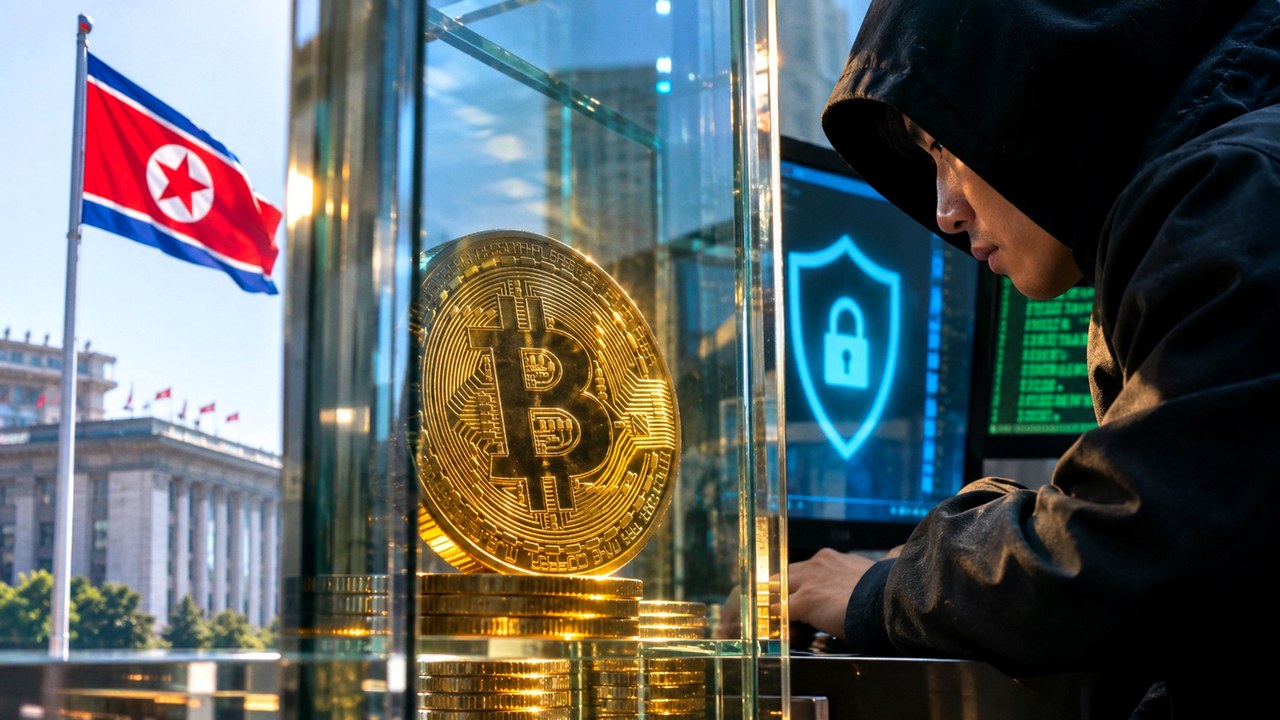
Elliptic traced theft-linked bitcoin into Kruw-coordinated transactions, independent round checks show heavy overlap, and Wasabi rules confirm coordinators can block flagged inputs without custody, though knowing acceptance is not proven.
Coinjoin Screening Tests Privacy Services' Block Power
A tool built for everyday Bitcoin privacy now sits inside a massive North Korean money-laundering push.
In a nutshell
After roughly $6.3 billion in crypto was stolen from Binance on October 29, 2026, and linked by the FBI to North Korea's TraderTraitor group, investigators tracked at least 2,310 bitcoin—about $149 million—into coinjoin privacy rounds by November 20, largely through coordinator Kruw. While Wasabi's design shows a noncustodial coordinator can screen inputs before mixing without holding user keys, a later address list cannot prove what an operator knew earlier, rival services exist, and only a negligible amount appears cashed out so far.
Highlights
- Hackers stole roughly $6.3 billion from Binance starting around 20:05 UTC on October 29, 2026, in a theft the FBI attributed to North Korea's TraderTraitor group.
- By November 20, Elliptic estimated at least 2,310 distinct bitcoin—about $149 million—from the theft had entered coinjoins, mostly coordinated by Kruw.
- A November 19 check by Mempolitics matched 1,980.93 of 2,199.86 estimated new bitcoin entering Kruw rounds from November 17 onward (about 90%) against a November 19 blocklist snapshot, though snapshot dates could not prove prior knowledge.
- About $2.85 billion of the stolen assets had been frozen or seized by November 20, while Elliptic estimated only a negligible amount had likely been cashed out.
Daily Binance-Linked Bitcoin Entering Coinjoins
BTC- This chart shows Elliptic's daily estimates of stolen Binance-related bitcoin entering coinjoins from November 17 through November 20, 2026.
- BTC — Bitcoin, a digital currency tracked on a public ledger
- Coinjoin — A transaction method that pools coins from multiple users to obscure which inputs match which outputs
- Elliptic — A blockchain intelligence firm that tracks crypto flows and publishes risk lists
- High daily inflows show how quickly stolen funds moved into privacy rounds, while future cash-out checks at exchanges will show whether mixing helps attackers spend them.
From the Editor’s Diary
Technical tools can block known inputs at a single gate, but fast-moving illicit funds test both privacy principles and enforcement at the points where money actually exits into everyday finance.
Who's involved
TraderTraitor / Lazarus Group
North Korea-linked hackers blamed by the FBI for the Binance theft
goal → Turn stolen crypto into spendable money while dodging tracking, freezes, and seizures
Kruw
Pseudonymous operator of an independent Bitcoin coinjoin service that works with Wasabi Wallet
goal → Keep coinjoin rounds open without holding user funds, protect financial privacy, and resist blocking
Elliptic and Tom Robinson
Blockchain tracking firm and its co-founder, who follow stolen crypto and publish risk lists
goal → Trace the stolen Binance funds, flag suspicious coins, and help firms spot illicit money
Binance
Global crypto exchange hit by the October 29 theft
goal → Protect customers, recover stolen funds, and keep attackers from using the loot
ZachXBT
Independent blockchain sleuth who publicly pressed Kruw over suspected North Korean use
goal → Call out suspect money trails and question operators who do not block stolen coins
FBI and U.S. Secret Service
U.S. law-enforcement agencies investigating North Korean crypto theft and laundering
goal → Identify the hackers, disrupt laundering paths, enforce the law, and recover stolen assets
Wabisator
Independent public tool that reconstructs WabiSabi coinjoin rounds from public data
goal → Make coinjoin activity, amounts, and moves between rounds visible to outsiders
Wasabi Wallet / zkSNACKs
Privacy-focused Bitcoin wallet and the former operator of its main coinjoin service
goal → Protect everyday financial privacy while handling the technical and legal weight of running a coordinator
In short
A tool built for everyday Bitcoin privacy has become a major route for laundering money tied to North Korean hackers, putting a practical test on whether privacy services block stolen coins.
The most likely next step is tighter scrutiny of how coordinators screen coins and how exchanges handle mixed funds once attackers try to cash out.
That outcome is uncertain, because technical blocking is possible, yet fast-moving watchlists, rival services, and legal limits shape what actually happens.
How it unfolded
A record theft starts the money trail
Around 20:05 UTC on October 29, unauthorized transfers began draining wallets controlled by Binance, a digital-money exchange. The breach spanned several blockchains and eventually hit roughly $6.3 billion in crypto by Binance's count, or $6.43 billion by Elliptic's.
Binance first called it a possible security incident, and the Associated Press reported the unfolding trouble on October 29 while noting the loss was not yet confirmed as theft. Binance confirmed the theft on October 30 as Chainalysis pointed to North Korea's TraderTraitor group, which the FBI backed on October 31; later checks on Kruw revived scrutiny from earlier North Korean cases, though no single world-first report of the October 29 breach could be verified.
Public lists become the first line of defense
Screening stolen coins had already been debated in Bitcoin privacy circles, and early warnings now met the first trickle of Binance loot. In March 2022, zkSNACKs—the company behind Wasabi Wallet, a Bitcoin app focused on privacy—said its coinjoin service would reject certain unspent coin chunks, called UTXOs, tied to suspected crime, checking inputs without holding users' private spend keys; it shut down its coordinator in June 2024 amid legal pressure on mixers, while independent ones kept running, including Kruw, named in a May 2025 U.S. Secret Service advisory over earlier Lazarus-linked activity like a roughly $14.3 million Bybit-linked case.
That history shaped how fast defenses moved, making screening possible before big coinjoin waves while leaving timing questions open. Elliptic released a free blocklist of theft-linked addresses on October 30, and the FBI urged crypto firms to stop suspect transfers, though the list grew as investigators found more addresses; by November 2–3, about eight bitcoin of stolen funds had entered WabiSabi coinjoins, while Privacy Cash paused deposits on November 4 to tighten checks, showing a coordinator can screen before sign-up but a later list cannot prove what an operator knew earlier.
Gradual routing exposes an older debate
Coins kept moving across blockchains despite warnings, turning a technical question into a clash over Bitcoin's basic design. Attackers routed stolen assets through decentralized exchanges—trading apps that run on code without a central company—as well as pools, lending tools, and cross-chain swaps like THORChain to reach bitcoin, with Elliptic counting about 135 bitcoin entering coinjoins by November 12 and another roughly 87 bitcoin from November 13 to 16, even as U.S. authorities pursued freezes where intermediaries held controllable assets.
The slow build highlighted why blocking coins is tricky, as larger flows appeared from another hack and tensions over fairness stayed alive. Kruw had argued in July 2026 that blocking inputs might simply push users to other privacy tools and noted zkSNACKs used outside data on its server rather than handing full user histories to analytics firms, raising the risk of hurting fungibility—the rule that every bitcoin should count the same—while a separate November 16 Arkham report on a Bitget hack traced about 2,174 bitcoin into coinjoins, a distinct case that must not be combined with Binance.
The coordinator becomes the center of a public clash
A surge in moving funds collided with a public row over Kruw, making the coordinator's role the main flashpoint. On November 17, attackers moved about 74,880 ether—another major cryptocurrency—from two quiet addresses, and Elliptic counted roughly 480 bitcoin of Binance funds entering coinjoins that day, topping the prior two weeks combined, right as Kruw boasted of reaching about 1.6% of Bitcoin blockspace—the data space inside each transaction block—without sharing full measurement details.
The clash sharpened the gap between spotting coins and proving intent, pushing the dispute into mainstream view. ZachXBT pushed back by pointing to Arkham's Bitget coinjoin numbers and calling North Korea's Lazarus Group effectively Kruw's top user, while Elliptic's Tom Robinson said roughly $40 million of Binance funds had entered Kruw rounds and about 4.8 bitcoin came from two blocklisted addresses that morning, as covered by Gizmodo; whether coins passed through differs from whether a blocklist existed then or the operator knew.
Records show limits on both blame and defense
Heavy transfers and a new data check showed that blocking is technically possible yet hard to judge after the fact. On November 18, attackers moved about 78,415 ether and roughly 590 bitcoin entered coinjoins, while Binance got an Abu Dhabi court order covering 18 crypto firms—not a ruling against Kruw and not a way to freeze Bitcoin centrally—and on November 19 another roughly 137,602 ether moved with about 520 bitcoin entering coinjoins, as a single-publisher Mempolitics check against a November 19 list of 8,475 addresses matched 1,980.93 of 2,199.86 estimated new bitcoin from November 17 onward (about 90%), though later list snapshots cannot prove earlier knowledge.
Wasabi's setup clarifies what a coordinator can do without holding funds, while leaving policy trade-offs unsolved. When a user registers a coin chunk, the coordinator checks spend proof and can check rules or suspect lists before mixing, while blinded tokens—hidden passes that unlink input from output—and separate Tor privacy connections let users sign on their own without giving up custody or input-to-output privacy, though screening creates a gate that risks wrong blocks or relies on outside labels and cannot by itself prove who owns a coin or what they meant.
Laundering climbs, but cashing out stays hard
More crypto moved into coinjoins on November 20, yet other coordinators and cash-out bottlenecks still limit what one block can do. Another roughly 197,460 ether moved on November 20—bringing four-day ether movement to about 488,000 ether, or around $860 million, with about 39,000 ether (roughly $70 million) swapped into about 1,100 bitcoin via THORChain, while the original 18,270 stolen bitcoin stayed untouched across 19 addresses since October 29—and Elliptic counted about 490 bitcoin entering coinjoins that day and at least 2,310 distinct bitcoin (about $149 million) since November 1, mostly via Kruw, without showing Kruw held funds, controlled outputs, knew user identities, or knowingly aided the theft.
Even if Kruw turned away those coins, attackers could use rival coordinators like OpenCoordinator or Ginger Wallet or try cash-out desks, where the real test sits. Elliptic estimated only a tiny share of stolen funds had likely been cashed out so far, meaning mixing is not the same as spending—and whether mixed coins get blocked or frozen at exchanges and brokers remains open.
Where things stand
As of roughly 07:27 UTC on November 21, 2026, the latest substantive laundering update verified is Elliptic's November 20 report updated at 12:00 UTC, with later coverage repeating those figures rather than adding new movements or rulings. Technologically, a noncustodial WabiSabi coordinator can check registered inputs and refuse flagged coin chunks without holding private keys or breaking input-to-output privacy, as past work showed, but it cannot catch every stolen coin, prove who owns it, or stop coins from going elsewhere.
Key questions remain open—whether Kruw had a working screening setup or list at the time, when specific Binance coins became flagged, whether any flagged coins were knowingly let in, what courts or regulators might demand, and how to avoid wrongly blocking clean users—with no verified proof that Kruw knowingly helped North Korea or that Lazarus was its largest customer. Timestamped list logs, coordinator records, independent checks on false blocks and rerouting, cash-out freezes, and the December 1 Abu Dhabi hearing will show more as debates continue over whether privacy tools should screen coins or stay open while exchanges and police act at the exits.