
We analyzed this claim: is it true that
Chainalysis's separate cybersecurity breach disrupted the identification, screening or freezing of cryptocurrency stolen from Binance?
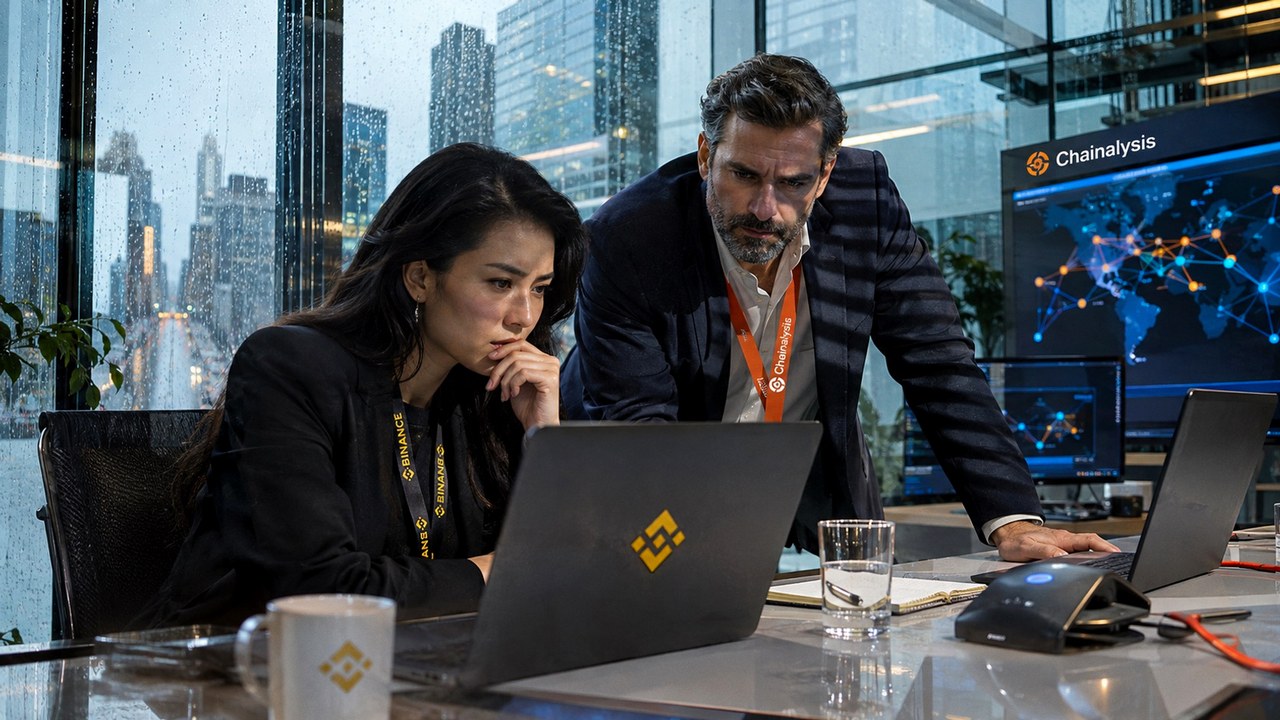
Chainalysis confirmed a serious cyber intrusion that forced its transaction-monitoring and screening tools offline for several days. However, there is no public proof that the outage allowed stolen Binance funds to slip through undetected or delayed asset freezes, as major freezes occurred beforehand and rival trackers remained active.
 ClaraAuthorComing December 1
 RafaVisual artistComing December 1
 JolinaMarketingComing December 1
Chainalysis Outage Leaves Stolen Crypto Impact Unproven
A security breakdown at crypto's top tracking firm disrupted transaction screening, but whether stolen Binance funds escaped remains unknown.
In a nutshell
When thieves took over $6.3 billion from crypto exchange Binance, the international hunt ran into an unexpected obstacle: Chainalysis, the world's leading cryptocurrency tracking service, suffered an unrelated digital intrusion and had to shut down its transaction-screening software for days. The disruption created a temporary blind spot for institutions monitoring illicit money transfers. However, rival tracking firms stepped in and most major asset freezes were locked down before the outage occurred, leaving no public evidence that the tracking breakdown let stolen funds slip away.
Highlights
- Thieves stole approximately $6.34 billion from crypto exchange Binance on October 29.
- Tether froze over $1.5 billion of the stolen funds within 30 minutes of the heist.
- Chainalysis disconnected its Know Your Transaction and Address Screening tools on November 4 after finding that user passwords and credentials had been compromised.
- Competing blockchain investigators TRM Labs and Elliptic continued tracing stolen funds throughout the Chainalysis downtime.
- Chainalysis brought its main screening services back online on November 7 under enhanced security controls.
From the Editor’s Diary
A technical blackout at a major compliance firm creates an operational blind spot, but it only aids criminals if the wider financial system relies on a single set of eyes.
Who's involved
Chainalysis
A United States firm that builds tracking and screening software to help police and exchanges spot illicit cryptocurrency
goal → Stop its own internal security breach, restore its screening tools and keep customer trust intact
Binance
The world's largest digital-currency trading platform, which lost billions to an online theft
goal → Track down the stolen assets, freeze illicit accounts and prove it can protect its users
Elliptic
A British blockchain analytics company that monitors digital-asset movements
goal → Help clients spot stolen funds and offer backup screening while rivals face downtime
TRM Labs
A United States blockchain security firm that maps money-laundering paths
goal → Trace stolen tokens across networks and alert financial firms in real time
Tether and Circle
Two major companies that issue digital dollar tokens that can be remotely frozen on the blockchain
goal → Halt transactions linked to stolen funds to protect confidence in their digital currencies
United States Federal Bureau of Investigation
The American federal law-enforcement agency investigating the Binance attack
goal → Work with private firms to locate, intercept and seize the stolen digital funds
In short
A major blackout at the leading cryptocurrency tracking firm did not visibly derail the global chase for billions in stolen digital cash. When digital finance loses its primary investigative radar, the fear is that illicit money will vanish into untraceable corners before police or exchanges can react. Yet public records show that key asset freezes were already in place before the tools went down, while alternative tracking teams filled the gap.
This operational scare makes it likely that global exchanges and regulators will demand multiple redundant tracking systems rather than relying on a single analytics provider. Whether that transition prevents future monitoring blind spots is uncertain, because smaller platforms often lack the budget or technical infrastructure to run multiple intelligence feeds at once.
The drama began on October 29, 2026, when thieves took about $6.3 billion from Binance, the world's biggest crypto trading platform. Hours later, Chainalysis, the premier firm used by banks and law enforcement to spot tainted digital funds, suffered an unrelated digital break-in of its own.
Previously in this story
Chainalysis faces claims cyberattack exposed customer access tokens
6 November 2026Fresh social media reports claim an intrusion at the cryptocurrency tracking firm hit live session keys and passwords, but independent verification remains absent.Chainalysis data breach exposes client contact lists
4 November 2026Intruders stole names and emails from the crypto-tracing firm, raising fresh risks of targeted scams.
How it unfolded
A Record Theft Exposes the Importance of Blockchain Screening
Tracking stolen digital money is a race against time. When thieves stole an estimated $6.34 billion from Binance on October 29, investigators rushed to flag suspect digital wallets before the cash could be swapped for untraceable coins. But Chainalysis, the prominent American company relied upon to spot those illicit transfers, was already dealing with an intruder inside its own network. Chainalysis acknowledged the breach the following day, insisting it had nothing to do with the raid on Binance.
A Limited Disclosure Becomes a Security Shutdown
At first, Chainalysis described the break-in as limited contact that exposed basic customer contact details without touching sensitive passwords or live investigative files. Behind the scenes, the problem grew worse. By November 2, the company realized that user passwords and active access tokens across its entire system had been exposed. To prevent further damage, it began pulling investigative tools offline while trying to keep essential compliance screening active for financial clients facing the fallout from the Binance signing breach.
Screening Continues, but Transaction Registration Falters
The first practical friction appeared on November 3, when automated systems checking customer withdrawals experienced widespread connection timeouts. The glitch made it harder to register new checks, though firms could still review past alerts. At the same time, rival tracing firms showed that tracking did not rely on one company alone. Security outfit TRM Labs mapped out the complex techniques thieves were using to move the funds, while total frozen assets reached roughly $2.8 billion across the industry.
The Main Screening Systems Go Dark
On November 4, Chainalysis discovered that an intruder had intercepted communication traffic and accessed some client accounts. The company immediately pulled the plug on its primary transaction-screening tools, taking down the login portal, the automated screening service and wallet checks. Competitor Elliptic stepped in to offer emergency backup screening to businesses left without an active watchdog. Late that night, Chainalysis admitted that all user password records and login credentials had been compromised.
Restoration Begins, but the Screening Gap Remains Unmeasured
Restoring service proved slow and delicate. Starting November 6, Chainalysis brought clients back online one by one, requiring new passwords, fresh security keys and verified web addresses. By November 7, its primary screening and investigative software was running again, though cleanup work continued into the following day as verified freezes reached $2.85 billion. Neither Chainalysis nor its clients have released logs revealing whether any transactions were missed while the tools were down.
Where things stand
Chainalysis experienced an authentic, damaging network intrusion that forced its premier transaction-screening services offline for several days. That outage created a verified disruption in access to the industry's most widely used compliance tools. But an outage at an analytics firm does not automatically mean criminals escaped with the money.
Most recovered assets were frozen before the major shutdown began, and competing investigative teams kept watch over the blockchain. Whether individual exchanges allowed illicit money through during the blackout remains an open question that only detailed, transaction-by-transaction customer records can resolve.