
We analyzed this claim: is it true that
an automated trading bot liquidated part of a cryptocurrency loan taken out by the Binance hacker and collected millions in collateral?

forensic blockchain investigators confirmed an automated bot repaid roughly 9,884 borrowed ether tokens to claim about 24.4 million dollars in stablecoin collateral from the attacker's lending account, while the bot's identity, full profits, and prior knowledge of the theft remain unproven
 ClaraAuthorComing December 1
 RafaVisual artistComing December 1
 JolinaMarketingComing December 1
Bot Takes Stolen Binance Millions via Loan
Automated market software collected millions in collateral from a hacker's loan without recovering funds for victims.
In a nutshell
When a hacker stole billions from Binance and pledged millions into an automated lending pool, conventional account freezes failed to stop outside software from claiming the money. Because decentralized computer programs run without human discretion, an automated trading bot was able to repay part of the thief's delinquent loan and collect roughly $24.4 million in dollar-pegged collateral for itself, demonstrating that automated market rules can divert stolen assets to third parties before law enforcement can recover them.
Highlights
- An automated trading bot repaid roughly 9,884 borrowed ether tokens to claim about $24.4 million in USDT collateral from the Binance thief's loan.
- Bitquery reported that the liquidation bot paid 236 ether to a network block builder to ensure its trade processed ahead of rivals.
- Bitquery found that six of eleven targeted Tether wallet freezes on Ethereum and TRON hit addresses that were already empty.
- The attacker dumped tokens valued around $4.6 million for just $490, creating massive discounts captured by automated market software.
- Bitquery recorded approximately 35.6 million USDT in collateral and 9,885 ether tokens of remaining debt in the lending position on November 5.
From the Editor’s Diary
Automated financial software treats all accounts alike, meaning stolen assets deposited into open code can be legally absorbed by third-party algorithms long before police can intervene.
Who's involved
Binance attacker
Unidentified digital intruder linked by U.S. officials to North Korean cyber operations
goal → Swap stolen assets into harder-to-trace tokens and protect loan balances
Unidentified Aave liquidation bot
Automated trading program designed to settle risky digital loans
goal → Collect protocol fee incentives by repaying unbacked loan balances
Aave
Computerized digital lending protocol that lets users borrow against deposited cryptocurrency
goal → Maintain pool solvency and enforce automated collateral rules
Binance
Leading global cryptocurrency exchange that suffered unauthorized wallet withdrawals
goal → Secure remaining reserves, assist investigators, and limit financial damage to depositors
Tether
Company that issues USDT, a digital dollar-pegged token used as loan backing
goal → Blacklist compromised account addresses to halt illicit asset transfers
Ethereum block builder
Network operator assembling bundles of user transactions into blockchain records
goal → Earn priority execution fees from automated traders competing for speed
LlamaRisk
Independent risk assessment firm advising decentralized lending platforms
goal → Monitor market exposures and design emergency safety parameters
In short
Automated trading software can extract millions of dollars from a thief's cryptocurrency account without returning any of the money to police or victims. Following the theft of about $6.3 billion from Binance, the world's biggest digital currency exchange, market mechanisms allowed outside traders to profit directly from the stolen funds.
This outcome makes tighter regulatory and technical scrutiny of automated market helpers likely as investigators examine who benefits from cybercrime proceeds.
Whether financial regulators can easily curb these automated payouts remains uncertain, because decentralized computer programs execute loans and rewards automatically across open networks.
Previously in this story
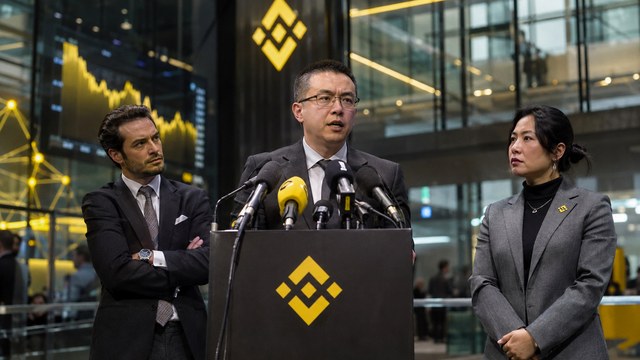
How Rush Trades Fed a $119 Million Crypto Windfall
10 November 2026A rushed escape by digital thieves handed massive profits to regular automated traders.
How it unfolded
Unauthorized transfers open market openings
The breach began late on October 29 when unauthorized transfers began draining digital assets out of Binance accounts. The exchange acknowledged an ongoing security incident as forensic analysts began tracing the stolen funds across public ledgers. Federal investigators later linked the wider operation to North Korean state-backed hackers. As the thief scrambled to swap vulnerable assets and park $60 million into automated lending contracts, ordinary digital market rules created sudden financial openings for external traders.
Automated software captures frozen collateral
Market price swings soon turned the thief's loan vulnerable. As ether prices climbed, the attacker's borrowed funds exceeded allowed safety limits against the deposited collateral. An automated bot stepped in, repaid about half the debt, and received roughly $24.4 million in USDT collateral directly from the shared pool. The transaction followed normal system rules, but none of the released funds went back to Binance or law enforcement. Independent tracing firms Bitquery and Global Ledger both confirmed the payment, while Bitquery reported the bot paid 236 ETH to an Ethereum network builder to prioritize the trade.
By November 5, Bitquery calculated that roughly 35.6 million USDT remained in the loan position against 9,885 borrowed ether tokens, while Global Ledger estimated about $12.6 million in net value remained after settling the debt. That resilience highlighted the limits of conventional asset freezes. A targeted blacklisting locks funds resting inside a specific wallet, but it does not stop automated pools from liquidating deposits already committed to a loan contract.
Forensic reports on November 7 showed how easily asset recovery efforts lagged. Bitquery found that six of eleven targeted Tether wallet freezes caught addresses that were already empty, an observation independently mirrored by Global Ledger across a wider set of wallets. During the same period, hasty token dumps by the thief on October 30 and 31 yielded only $490 from tokens once valued around $4.6 million, allowing opportunistic market bots to buy them at extreme discounts. Tracing records show that outside traders profited, but nothing proves those traders knew they were buying stolen money.
Where things stand
The November 4 loan liquidation stands independently verified by multiple forensic blockchain firms. Bitquery's balance check on November 5 showed approximately 35.6 million USDT in collateral remaining against 9,885 borrowed ether tokens. That snapshot remains the latest confirmed account balance in public records, and neither company has documented further liquidations through November 9.
Key questions about the trade remain unsettled. Investigators have not established who owns the trading bot, what total profit it kept, or whether the operators knew the funds originated from the Binance theft. Proving illicit conduct would require uncovering the real-world identities behind the recipient wallets or showing that market participants knowingly handled stolen property.